Built to handle 130. Delivered for 206.
Fonoa's global all-hands in Dubrovnik - an annual gathering that grew by more than a third mid-planning, in one of Europe's most logistically demanding cities.
For most companies, an all-hands is another meeting. For Fonoa, it's the most anticipated week of the year.
That's why, when the company prepared for its biggest gathering yet, they didn't just need an event partner. They needed someone they trusted.
Every large company considering a boutique event partner asks the same question: can they actually handle something this big?
Two hundred people aren't just a bigger version of fifty.
Every decision multiplies: flights, hotels, workshops, transfers, restaurants, and last-minute changes. Every moving part creates three more. And for Fonoa, those moving parts refused to stay still.
By the time planning finished, the company had grown by more than fifty people. The retreat we'd started planning for 130 had become an event for 206.
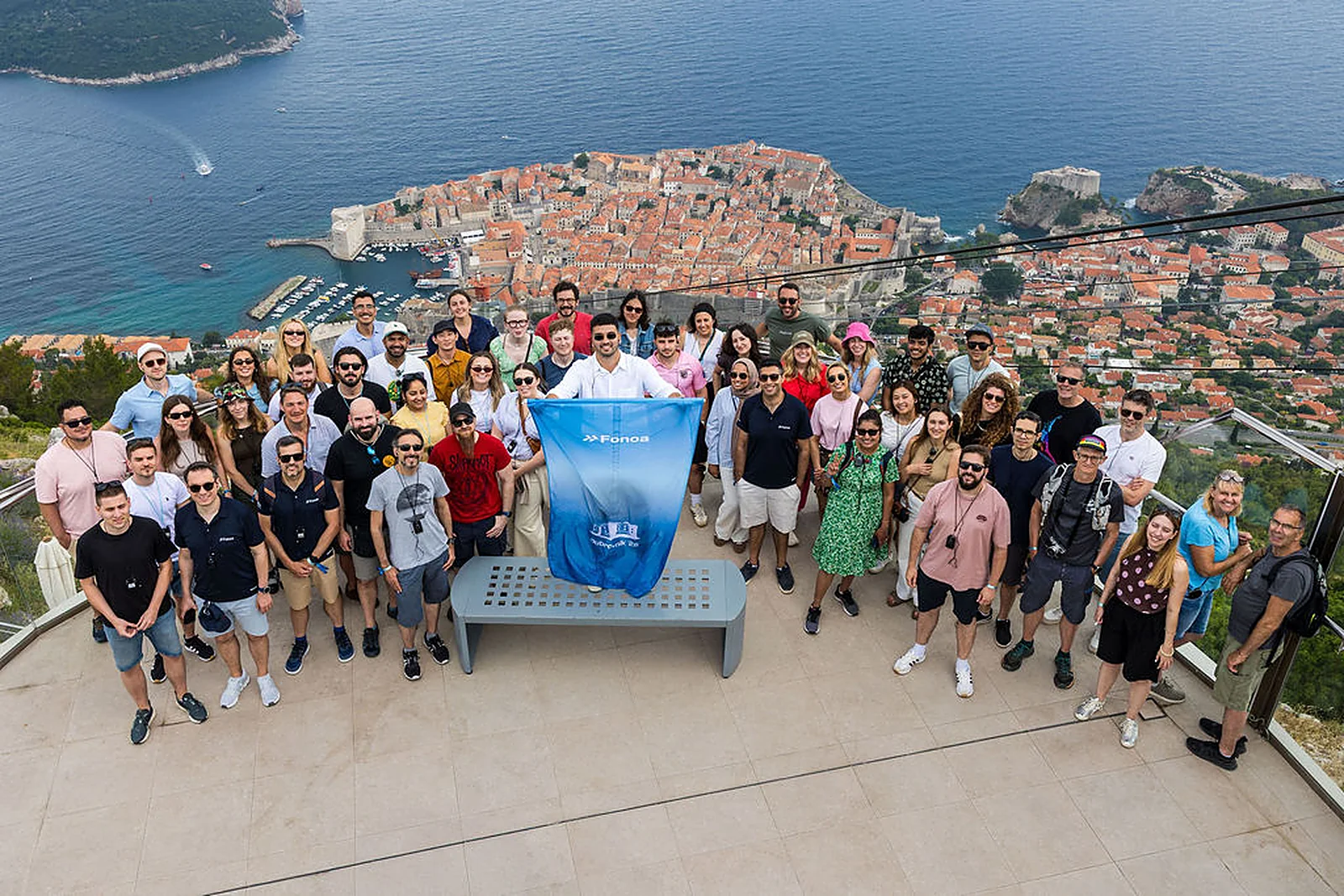
Growth wasn't the challenge. The moving number was.
Most retreats start with a number you can refer back to. This one never really had one. As Fonoa kept hiring through the six-month process, almost every major decision had to stay flexible - hotel rooms, airport transfers, workshop spaces, which restaurants could actually seat everyone together. Every answer changed.
"When we started organising it, we were thinking 130 people. Today we're already at 200. You can only imagine how dynamic that was… but I always had a feeling that somehow we would find a solution. And somehow we did."
Ivana, Executive Assistant, Fonoa
Most organisers would call that stressful. What clients actually look for isn't perfection - it's the confidence that there will always be a solution.
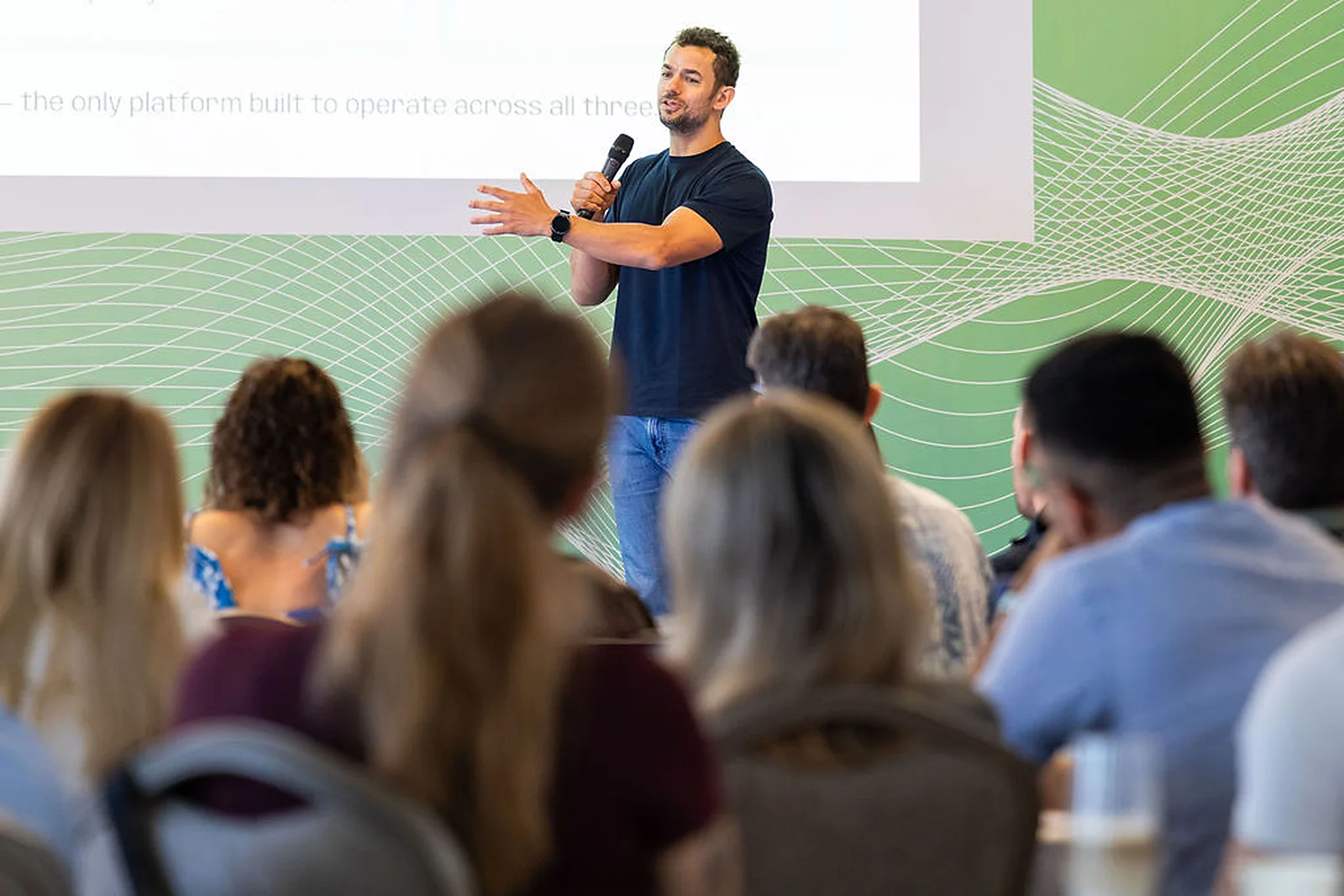
Beautiful for travellers. Challenging for logistics.
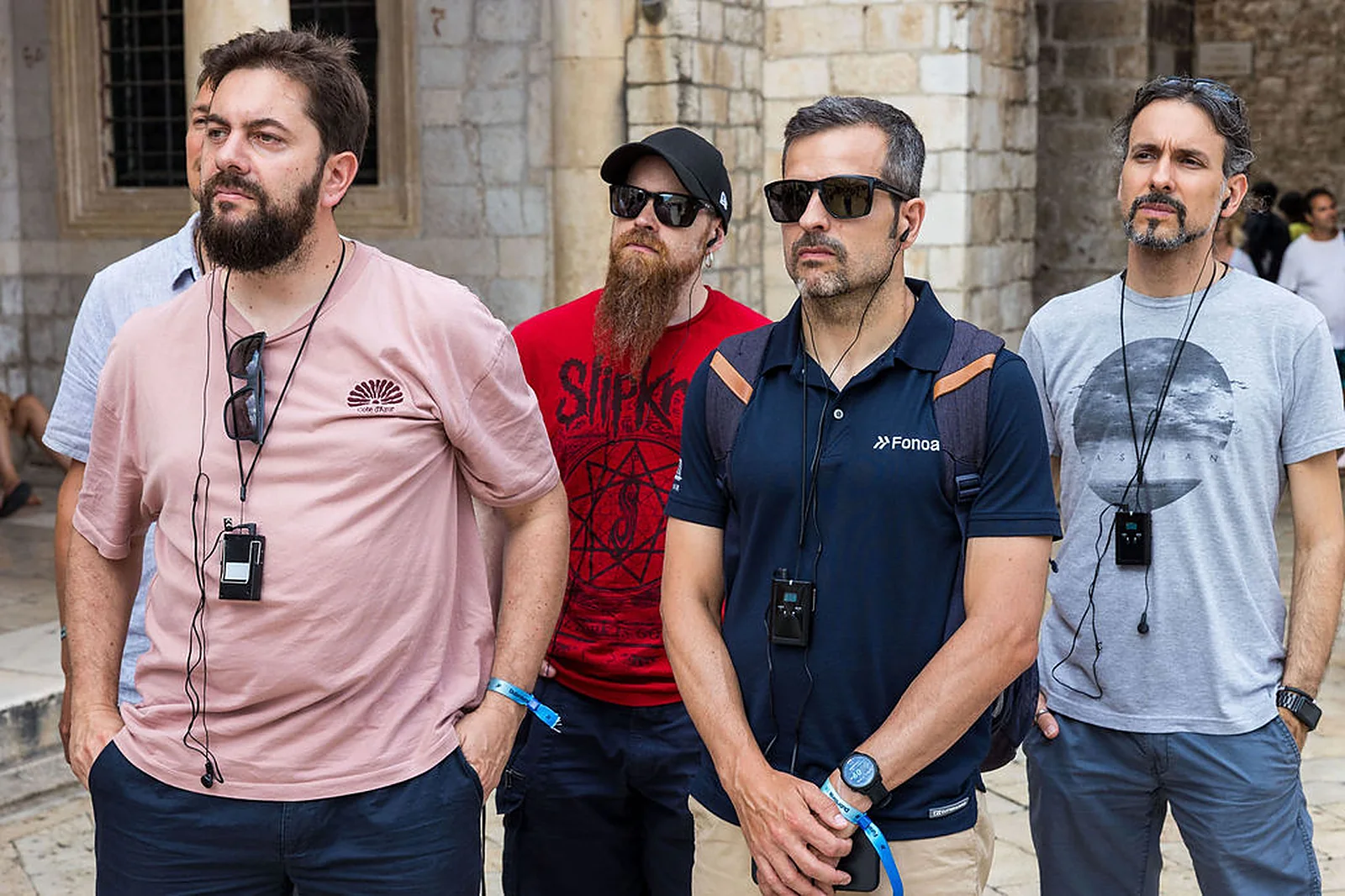
Dubrovnik doesn't reward databases. It rewards local knowledge.
Finding a restaurant for ten in Dubrovnik is easy. Finding one for a company retreat in Dubrovnik for 206 while keeping the evening walkable, memorable, and genuinely good - is something else.
Our lead planner, Iva, had lived in Dubrovnik. She wasn't scrolling review sites guessing who could cope. She was calling people she'd worked with: restaurant owners, venue managers, local suppliers - people who could answer the questions Google never can. Who's genuinely reliable. Who says yes but shouldn't. Who can actually deliver for a group this size.
That's the difference between offering 160 destinations on a website and truly knowing one, like Croatia as a retreat destination.
The best logistics are invisible.
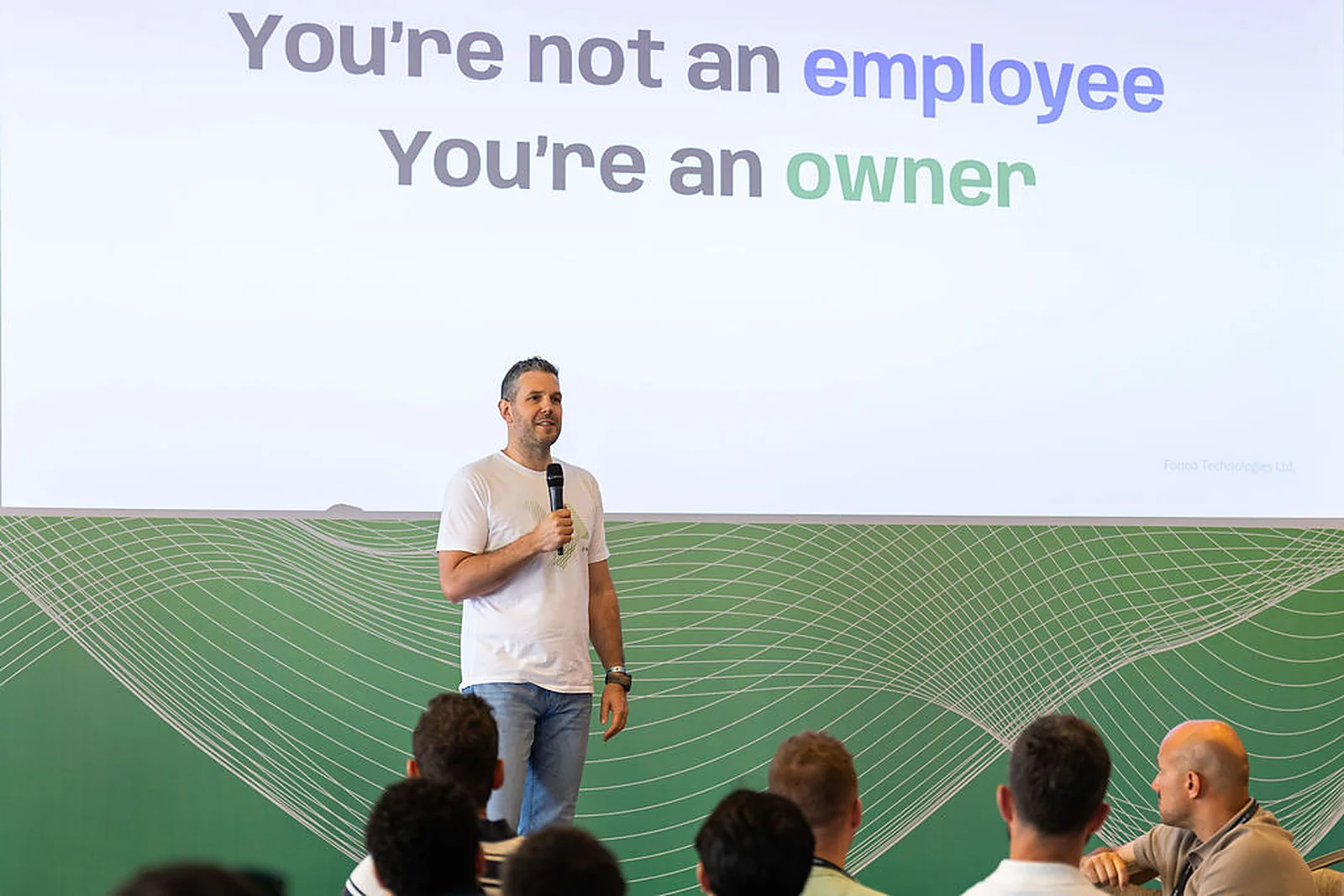
The group split across two hotels, with the Valamar President as the operational heart of the retreat. Workshops flowed between breakout rooms. Founders shared strategy - but unlike many all-hands, these weren't presentations to a silent audience. Questions were encouraged, debate welcomed, and the closing session became a conversation rather than a keynote.
"We find off-sites a critical component to drive our business forward, but also to really embed and celebrate our culture."
Kristen, Chief People Officer, Fonoa
Then Dubrovnik did what Dubrovnik does best.
By June, the limestone streets stay warm well into the evening. The Old Town empties of day-trippers, cafés spill into tiny squares, and the Adriatic catches the last of the light. It's one of the few cities where simply walking back from dinner becomes part of the programme.
They watched the Adriatic from Mount Srđ. Shared meals stretched into late evenings because nobody wanted to leave. The farewell dinner became exactly what it should have been - not another scheduled activity, but a natural ending.
"The relationships people build here are going to make them better colleagues and more collaborative colleagues over time."
Kristen, Chief People Officer, Fonoa
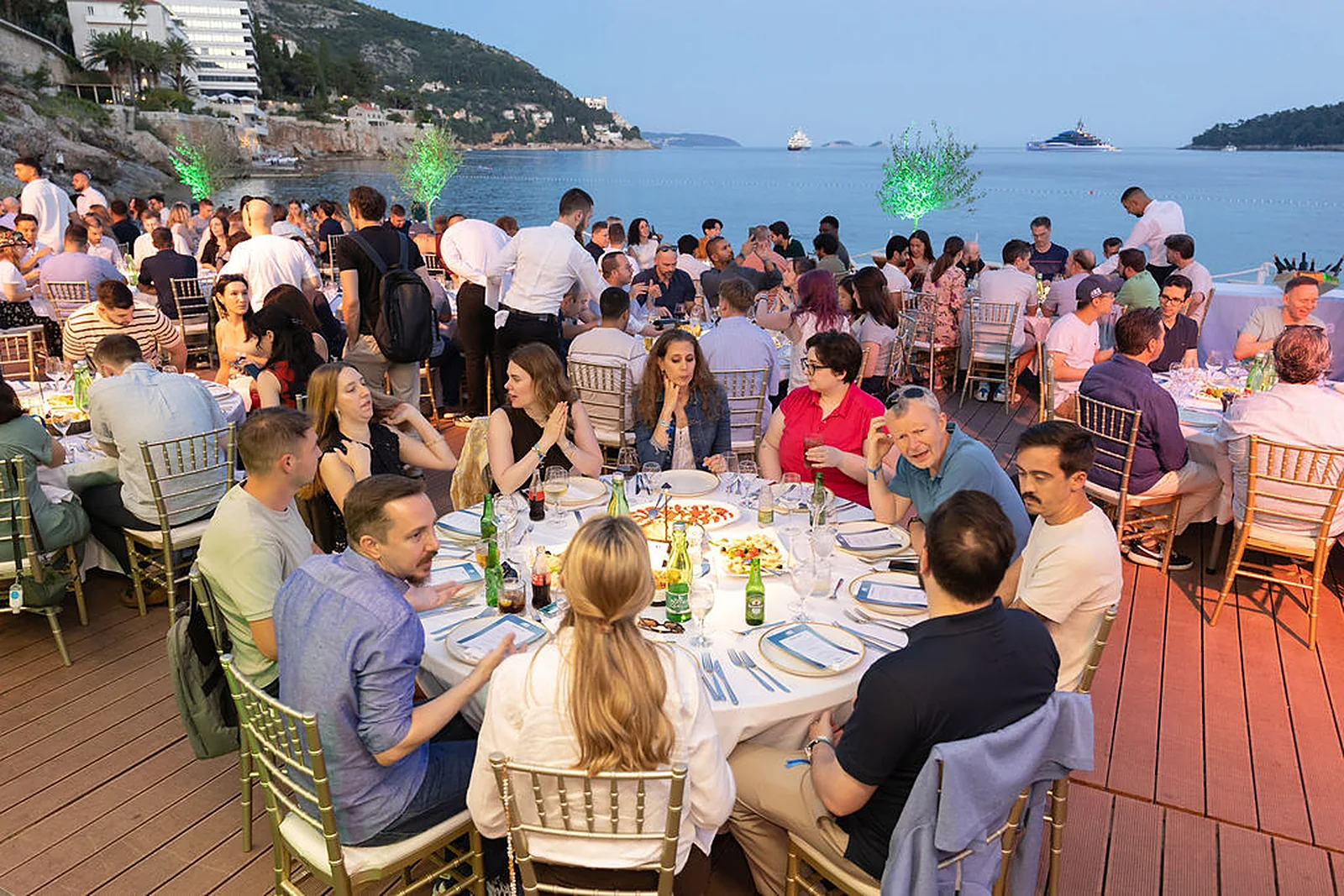
Even the weather had other ideas.
The farewell evening had been designed around sunshine: outdoor activities, a live band, a terrace over the Adriatic. The day before? Perfect. The day after? Perfect. That afternoon, a storm rolled in just before the celebrations began.
The entire evening had to move indoors - into the very meeting room the team had used all week. On paper, a downgrade. We were quietly rearranging furniture while smiling reassuringly at the client and, internally, cursing the weather.
What followed was glorious. Without the sunset competing for attention, without people spreading across a terrace, the room became something else. The band wasn't background anymore - they were part of the crowd. People weren't looking out at the Adriatic; they were looking at each other. Warmer, louder, more connected than anyone had imagined.
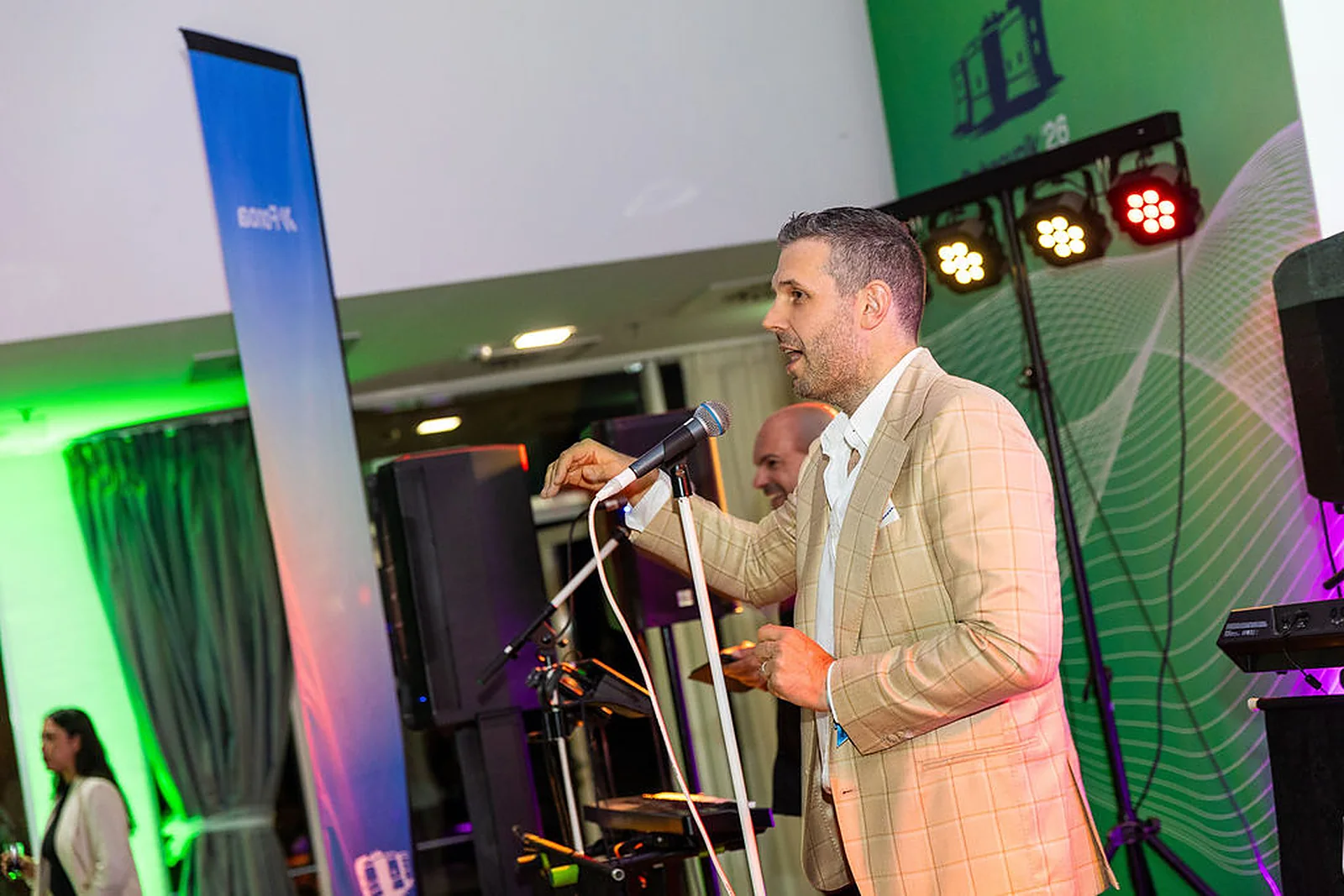
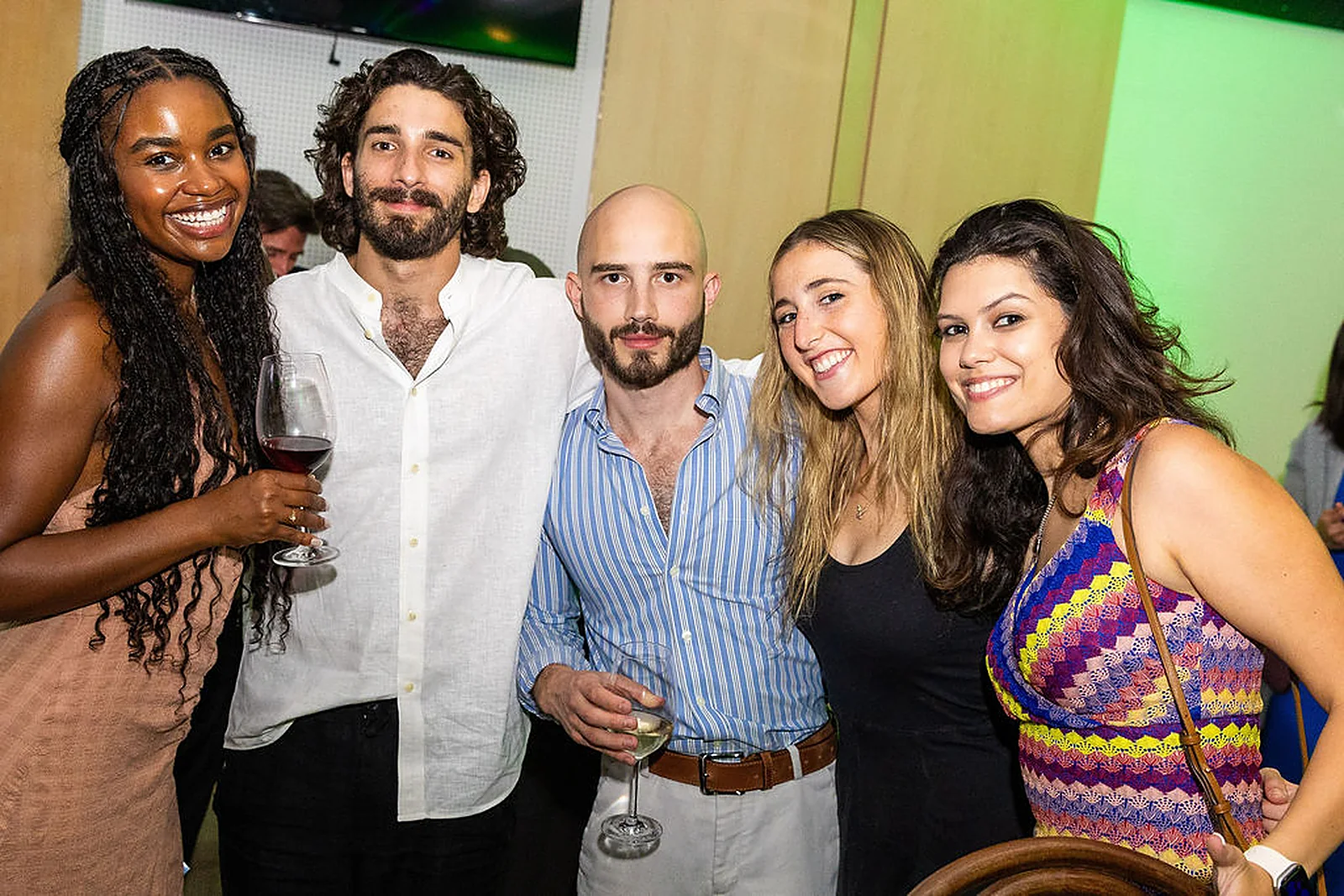
The partnership mattered as much as the planning.
Fonoa doesn't have a dedicated in-house events team. Organising a retreat of this scale sits alongside everyone's day job - which is exactly why choosing the right partner mattered.
"Having a really trusted partner makes it a lot easier for me and my team to deliver a really exciting and engaging experience… it's important that your partner understands your company, and that it's a relationship of trust and collaboration."
Kristen, Chief People Officer, Fonoa
Trust wasn't built because we booked hotels. It came from understanding how Fonoa works, what mattered to them, and when to lead versus when to listen. The best partnerships become an extension of the team - not just another supplier.
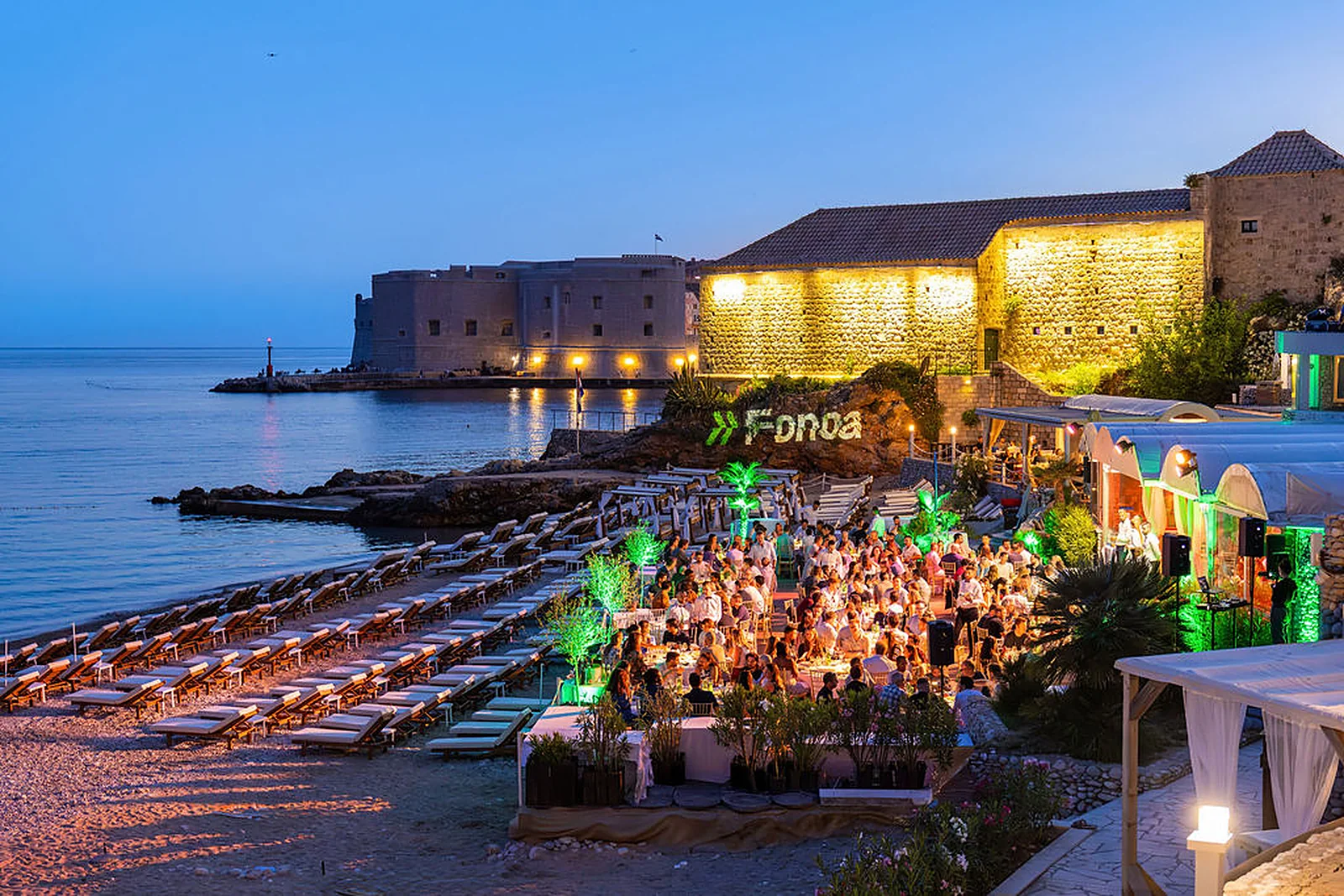
Fonoa trusted OnsiteHub with the largest gathering in its history.
Not because we're the biggest agency. Because we knew the city. Because we understood the company. And because when the numbers kept changing, the plan changed with them.
"You can't almost put a measurement on the impact… that momentum carries forward beyond the event."
Kristen, Chief People Officer, Fonoa
Thinking bigger?
Whether you're bringing together 50 people or 250, the principle stays the same: the best event partner isn't the one with the biggest office - it's the one that knows who to call. The process starts by understanding what actually matters to your team, before we touch a single venue.
Get a Proposal