152 People in Lisbon, a Live Festival, and Three Years of Not Missing a Beat.
How OnsiteHub coordinated IFT's most ambitious offsite yet — three parallel agendas, two connected hotels, one week to make it feel seamless.
From "the usual?" to a fundamentally different job.
From going to your favourite bakery to working with a long-term client, a good customer–provider relationship can turn into something quite special. Typically, it can be as simple as being offered "the usual?" or maybe your client knows you so well they don't even need to ask. Similarly, in offsite planning, our briefs get simpler the more we work with someone. You learn the client's preferences; you dial in the format, the venue type, the rhythm. Easy.
IFT does the opposite.
Year one: a company retreat.
Year two: bigger team, more ambition.
Year three: 150+ people, two connected hotel properties, a company all-hands running in parallel with an external public festival. Three rhythms at once. One week to make it feel seamless.
That's not a harder version of the same job. It's a fundamentally different job. And it's the kind of brief that reveals whether a partner actually scales with you, or just executes whatever you hand them.
Trouble in the Middle East: First Came the Airport Chaos.
Everything was in place. Plans drawn, checked, and ready for takeoff. Perfection. But then…
The day before the retreat, airports in the Middle East were bombed.
Suddenly, people were stranded mid-journey across multiple continents. Flights disappeared. Connections collapsed. The plans that had been drawn, checked, and ready to take off for months became useless overnight.
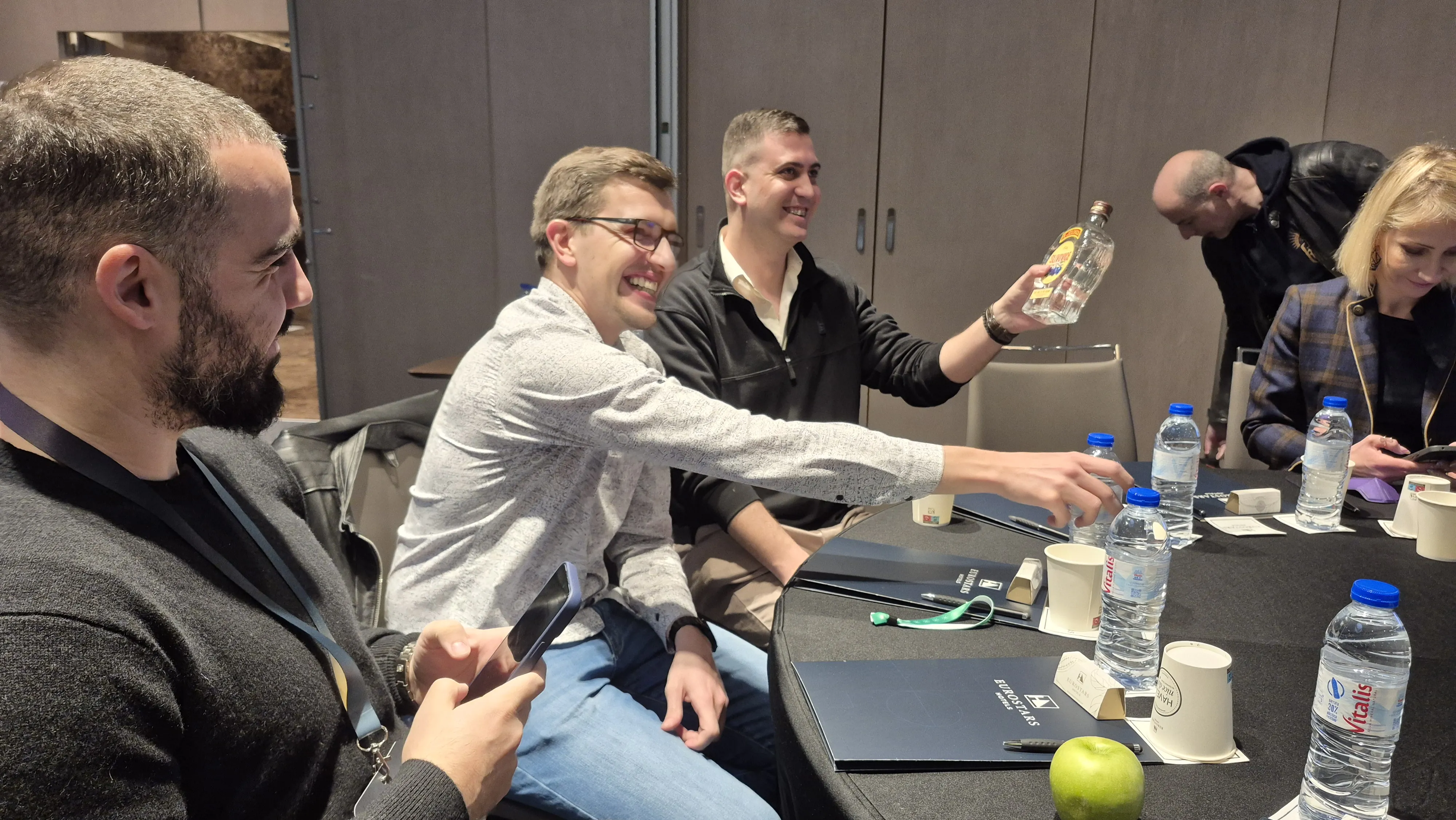
But we refused to give up. What happened next was a series of amazing little adventures. Our team split into full parallel problem-solving mode.
- Who could still reroute?
- Who was already airborne?
- Who needed virtual access?
- Who simply needed somebody calm on the phone, helping them think clearly?
And somehow, while all of this was coming to the boil, guests still arrived at a retreat that felt calm. That contrast the event planner knows too well. Above water: peaceful sea. Underneath: tectonic chaos.
One attendee travelled for 32 hours from Australia to Lisbon via planes, trains, and buses. He later joked that "the only thing missing was a horse and cart!"
So next time you're cursing your existence because airport security is a bit of a chore. Just think, it could be worse. As Terry reflected:
"No matter how organised we are, there's always complexity when bringing a large distributed team together."
Terry
This year just proved that in real time.
Holding the Line in Real Time: The Mat Problem (And the Lisbon Solution).
Then came the tatami mats…
A long-standing IFT tradition: bring Brazilian Jiu-Jitsu mats, run informal training sessions, then donate them locally afterwards.
Of course, being organized, a supplier was sorted. But then they started going quiet before complete radio silence.
What followed was a city-wide search across Lisbon. Martial arts shops, one by one, until finally we might have found something. One shop had ten mats. Exactly what was needed. Small problem: they were already reserved for another customer.
At that point, it would have been easy to give up. But after everything already in motion that week, "oh well, we tried" wasn't really an option.
The buyer was tracked down. Contact was made. And, eventually, finally, unexpectedly, they agreed to the resell.
From there it turned into pure logistics improvisation. Transport was arranged last minute (and quickly discovered not to be "sedan-compatible"), and somehow, the mats made it to the venue in time.
Later, they were used exactly as planned (never in doubt, really), including sessions with a Krav Maga instructor for anyone interested.
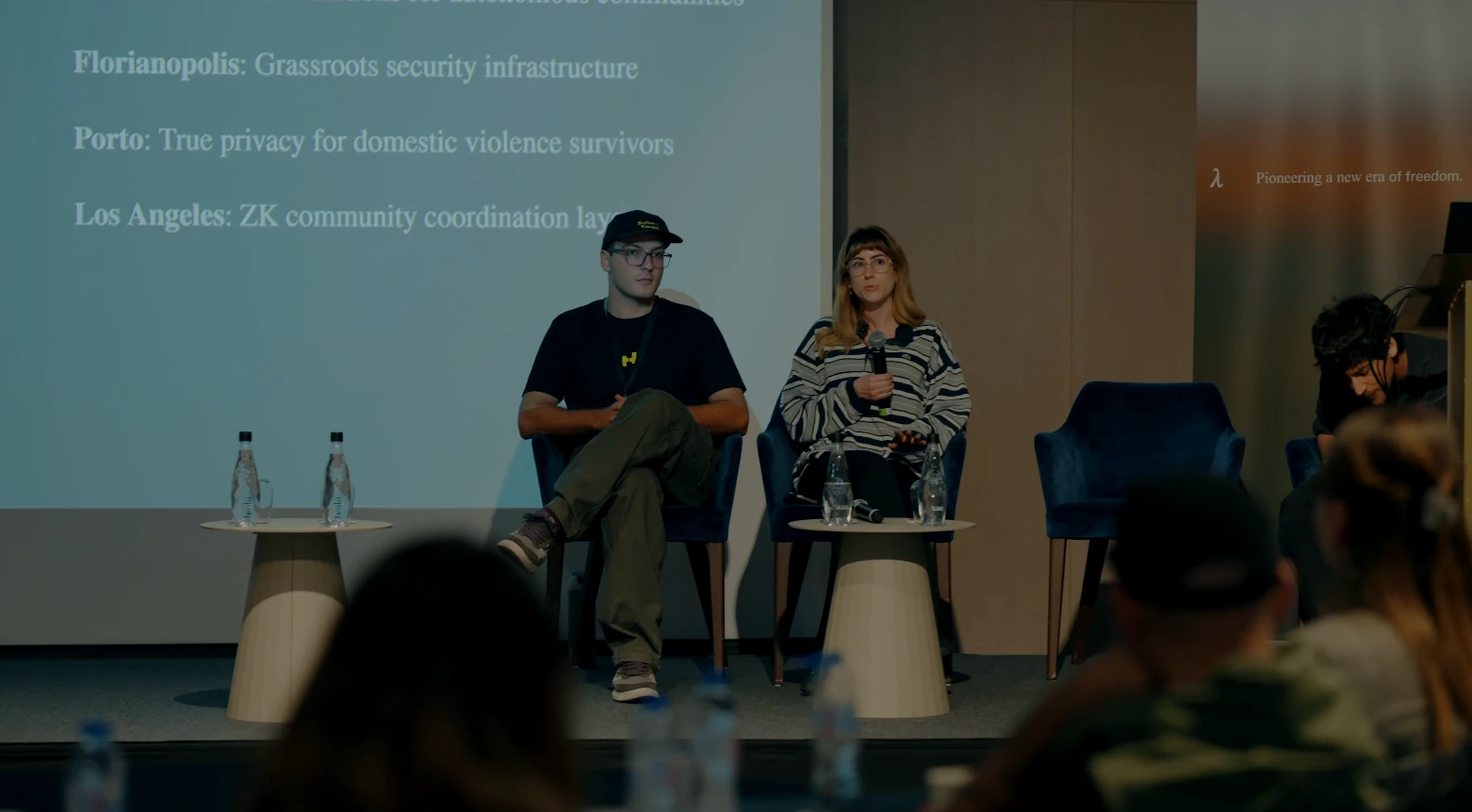
An offsite that doubled as a festival.
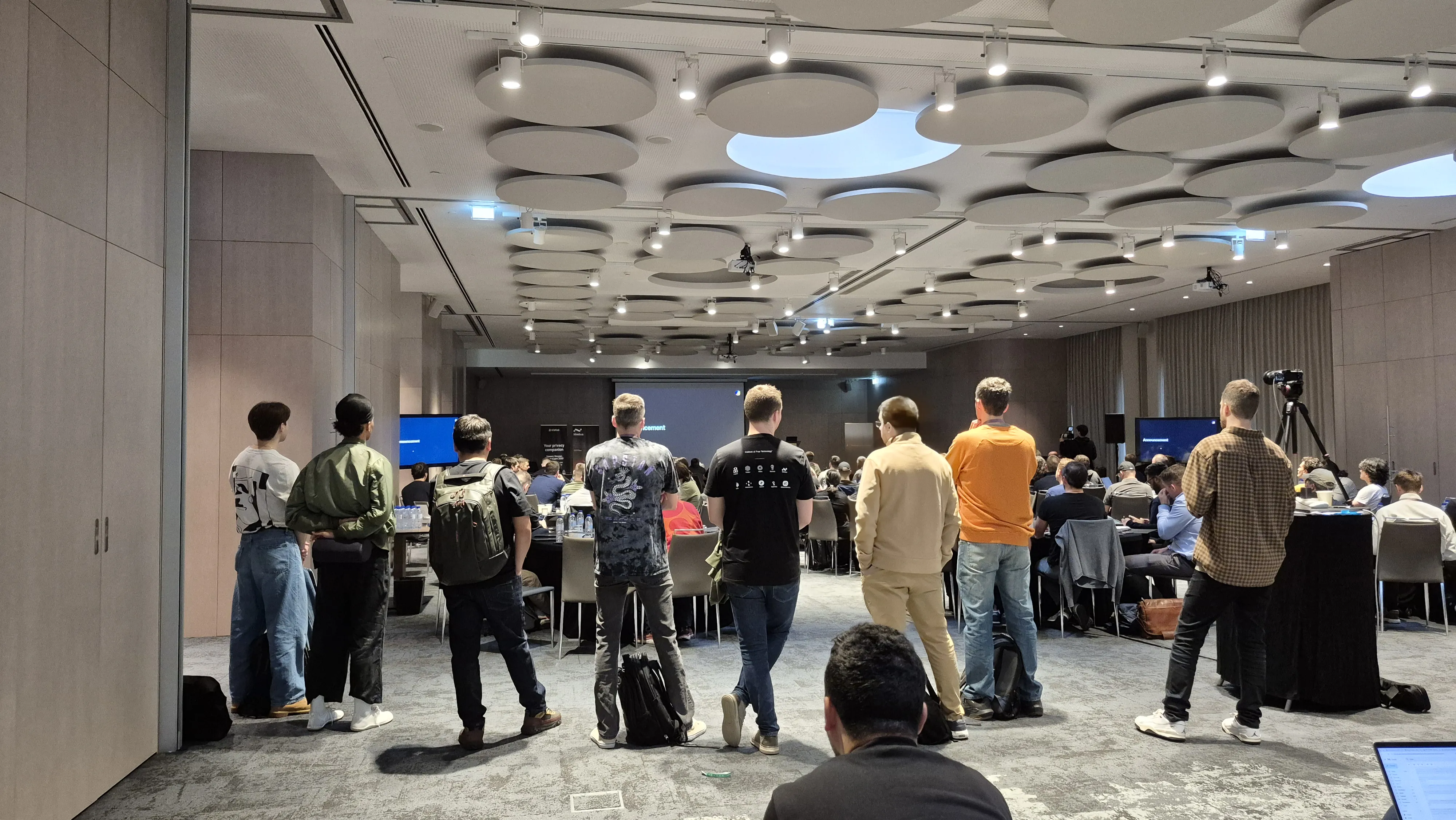
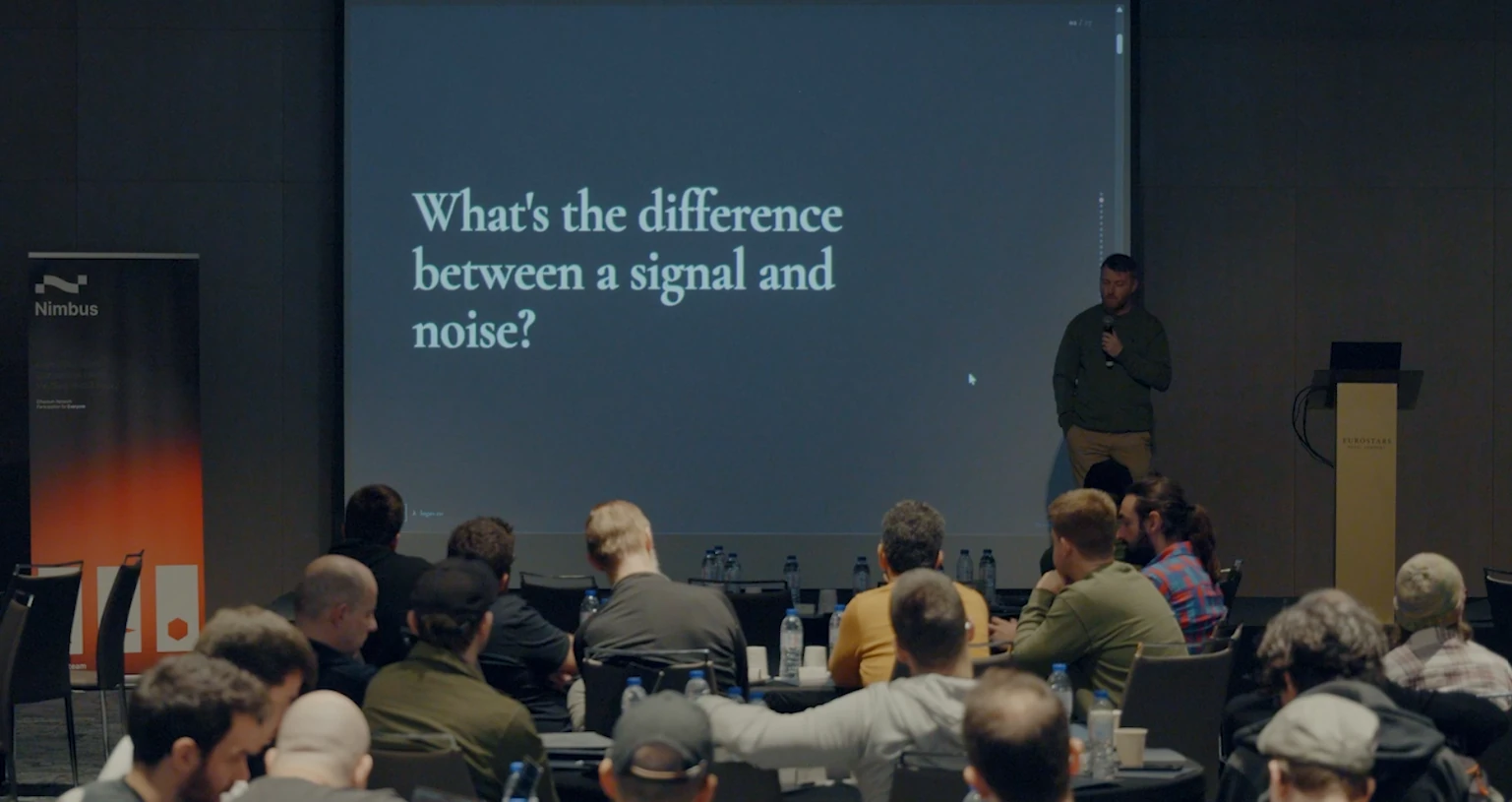
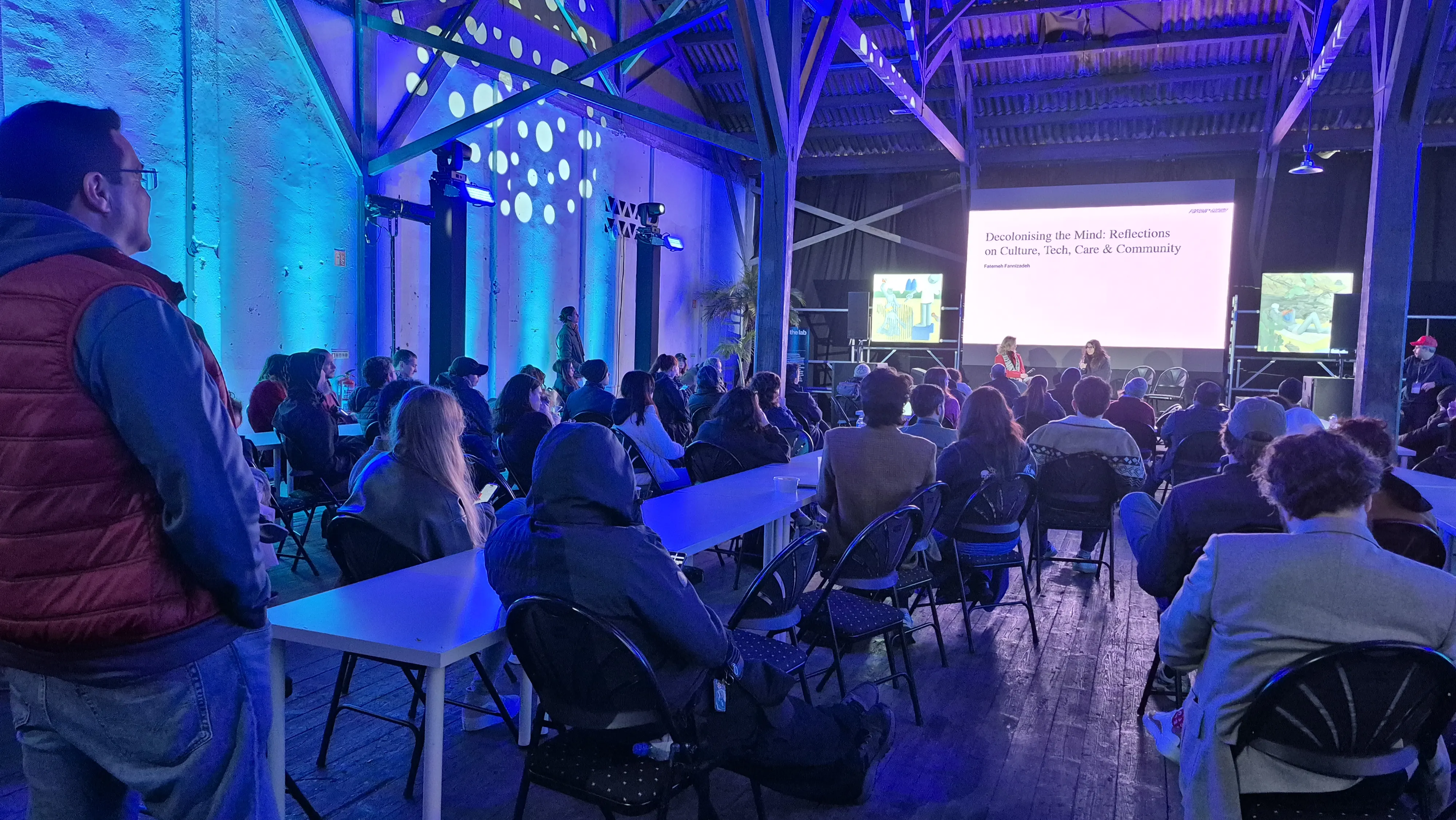
While the all-hands ran inside the hotel, an external public festival pulsed outside it. Same week. Same city. Two rhythms — and one calm team holding the seam.
Three Rhythms, One Operating System: A Festival Built Around Everything Else.
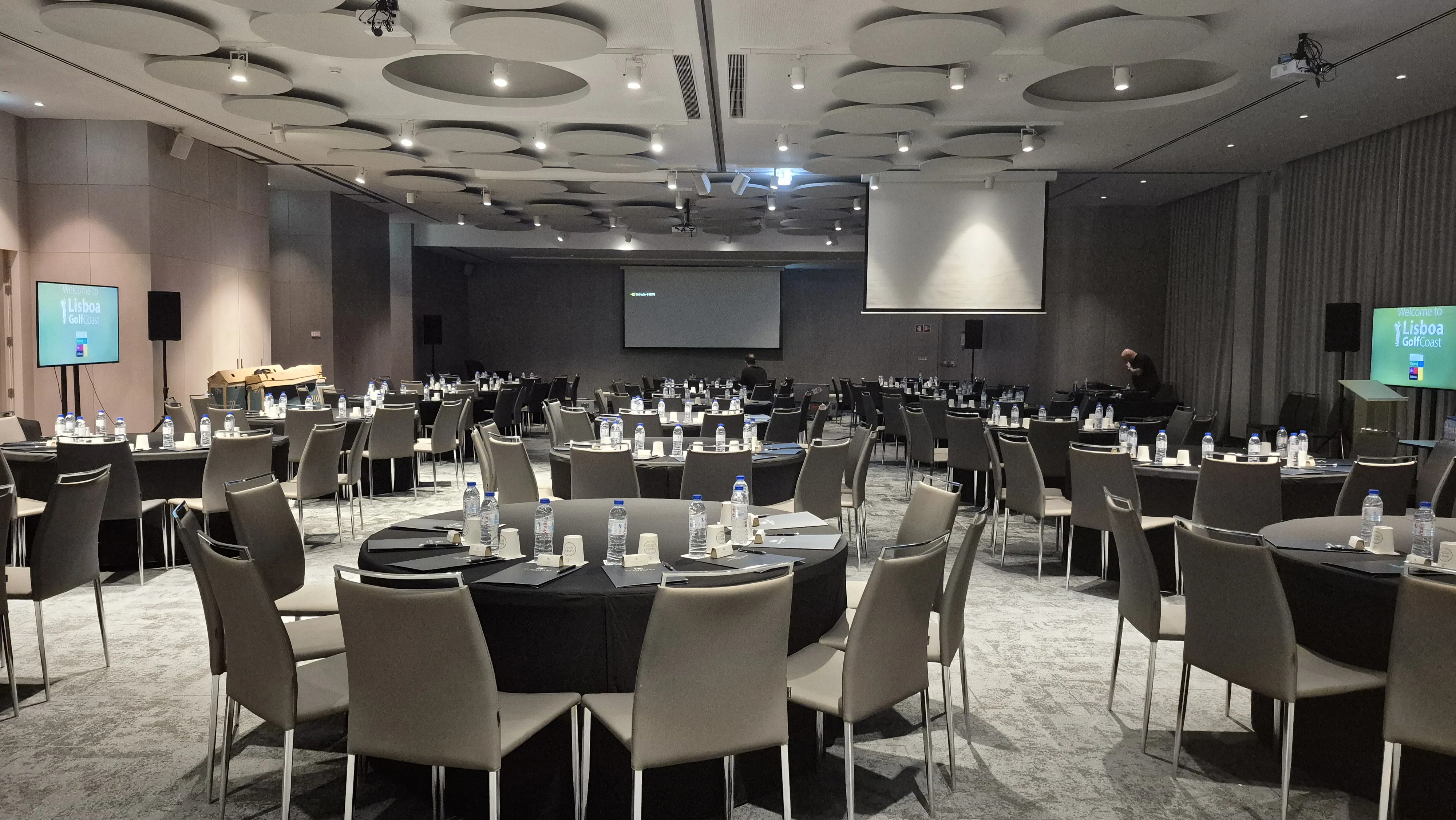
What marks this offsite from most is that they moved a whopping 152 people from their remote locations onsite to Lisbon, not just for the internal all-hands, but for an external event too.
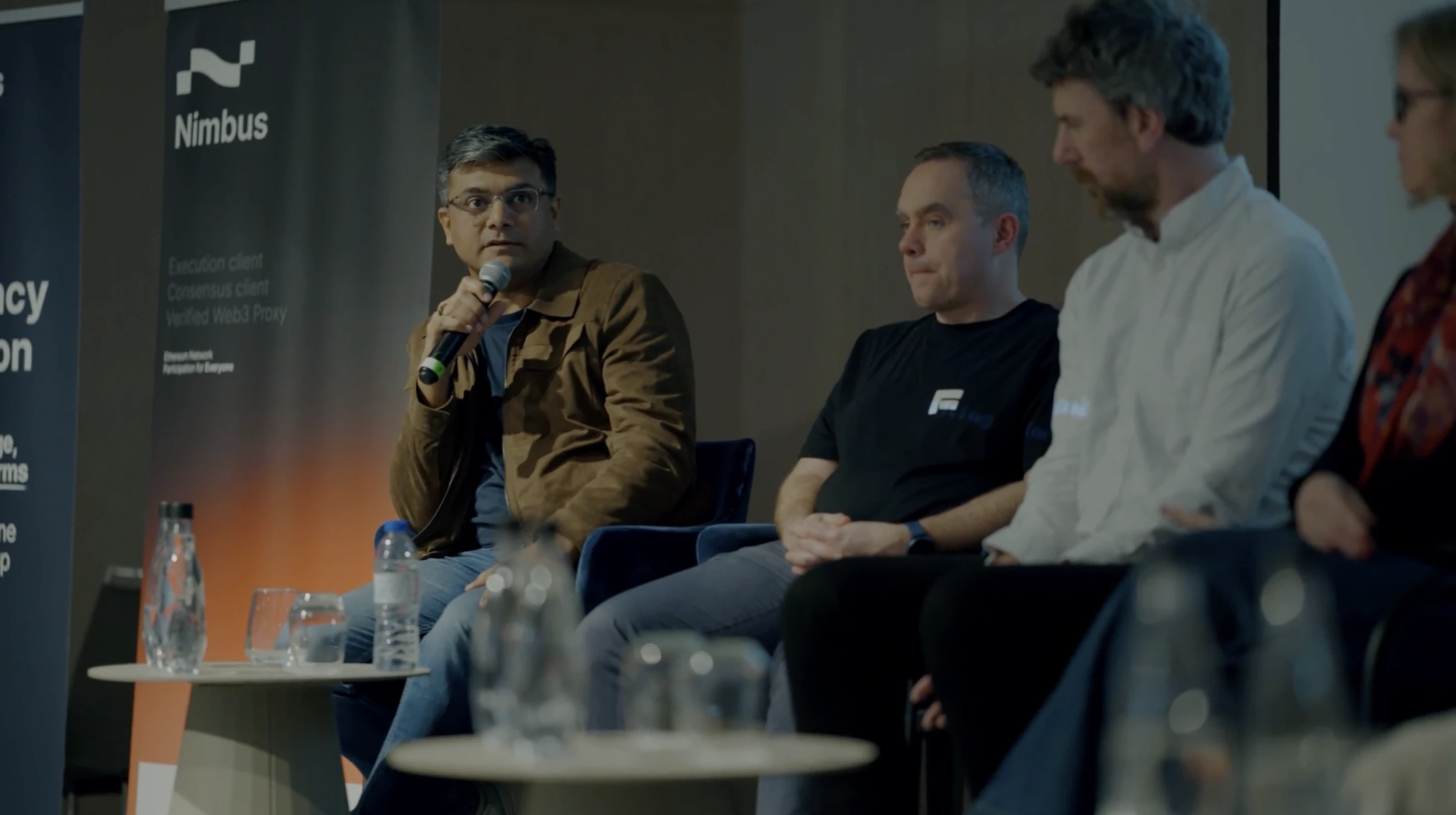
The Parallel Society Festival brings together people interested in technology, decentralisation, digital freedom, and alternative ways of organising society. Themes that sit close to IFT's own work and community. This year, the company combined its annual gathering with the festival, creating its most ambitious offsite yet.
That meant we weren't planning one event. We were planning several at the same time. Three rhythms running in parallel: company alignment, external festival energy, and internal team time. So we built a structure that flexed to the rhythm they wanted to dance to…
"We've moved from 'can we make this happen?' to 'how do we make this really meaningful?'"
Melanie
The hotel setup across two connected properties, the conference floor, breakout rooms, and a co-working space during festival days all created something closer to an ecosystem than a venue plan.
People weren't just moving through sessions; they were moving through Lisbon itself. Disappearing for a coffee, a conversation, or a reset, then reappearing when it mattered.
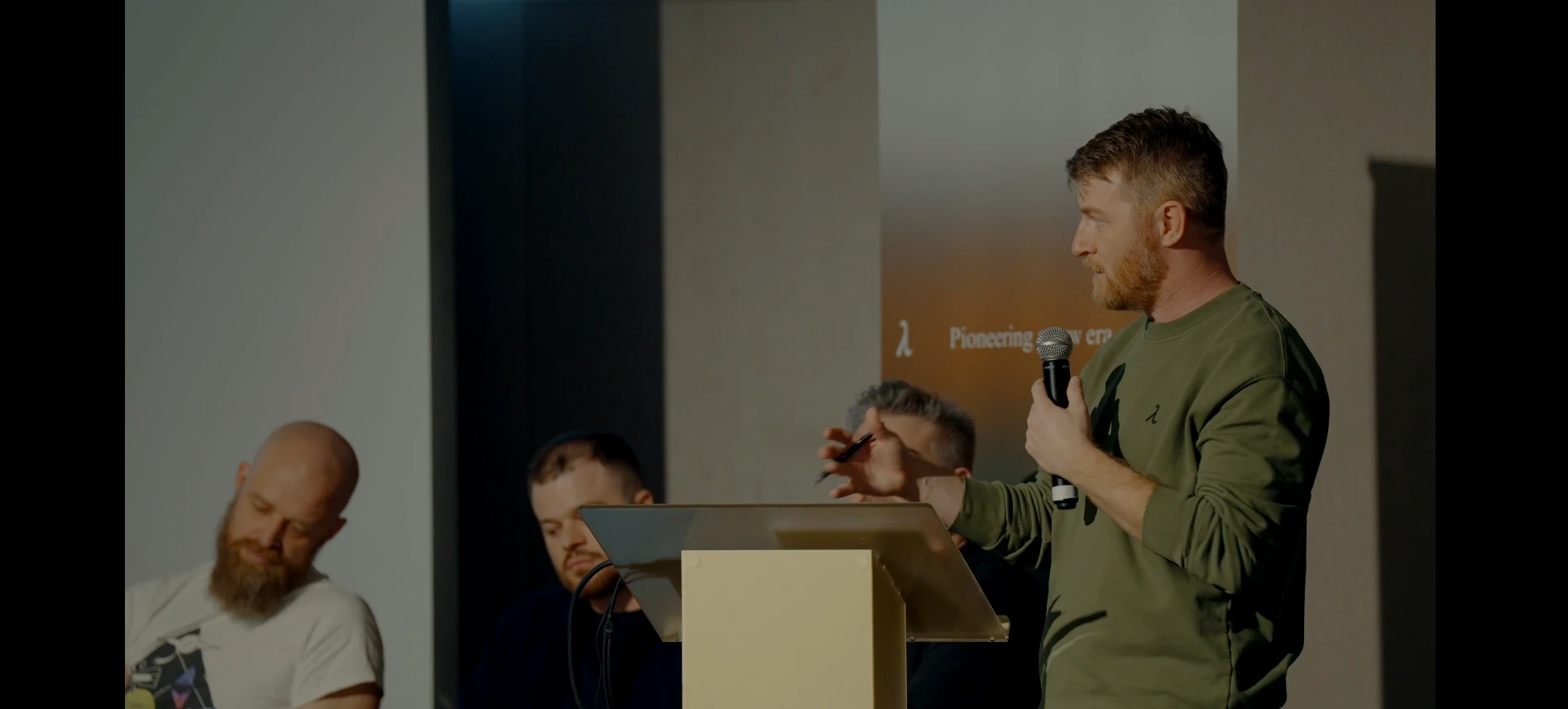
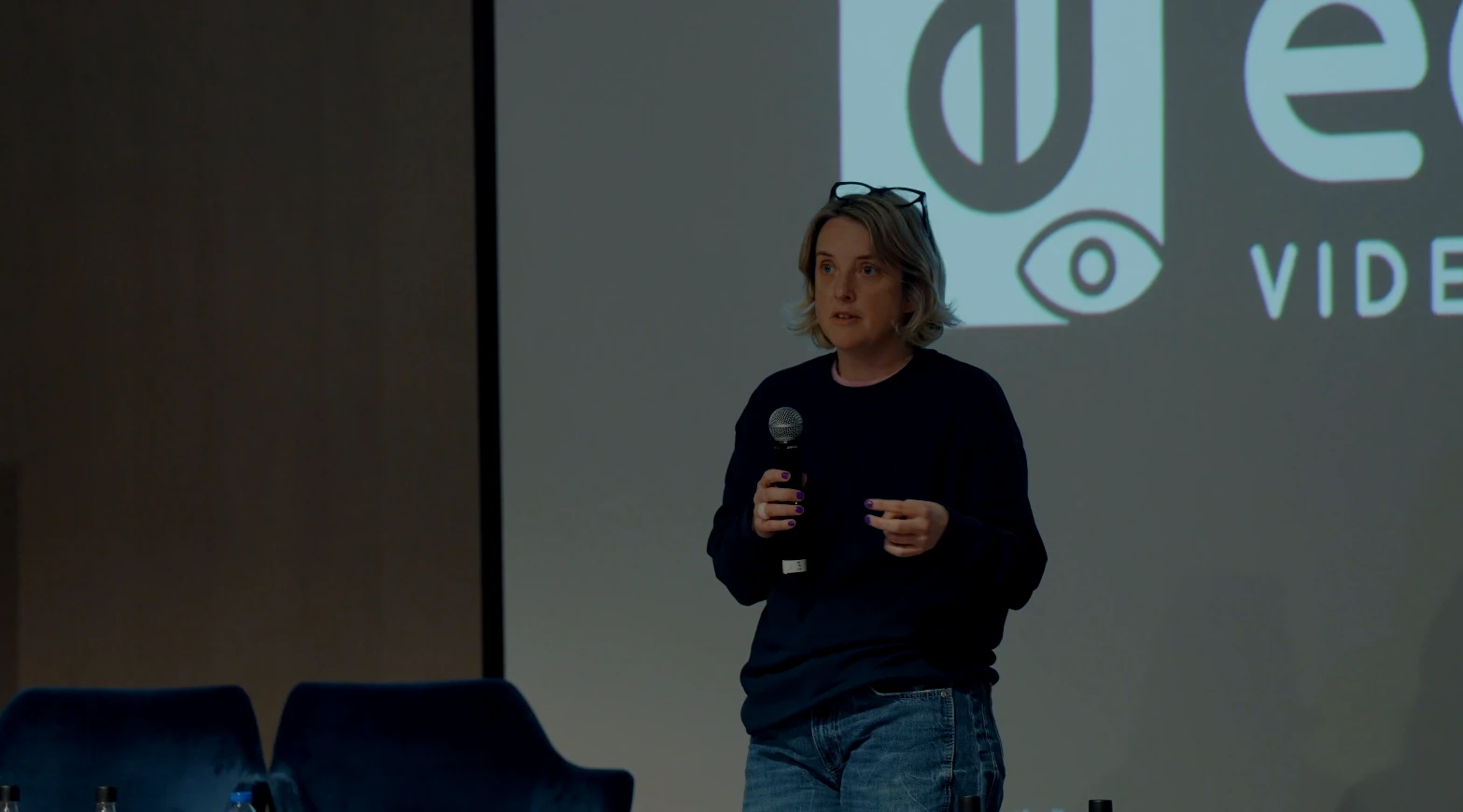
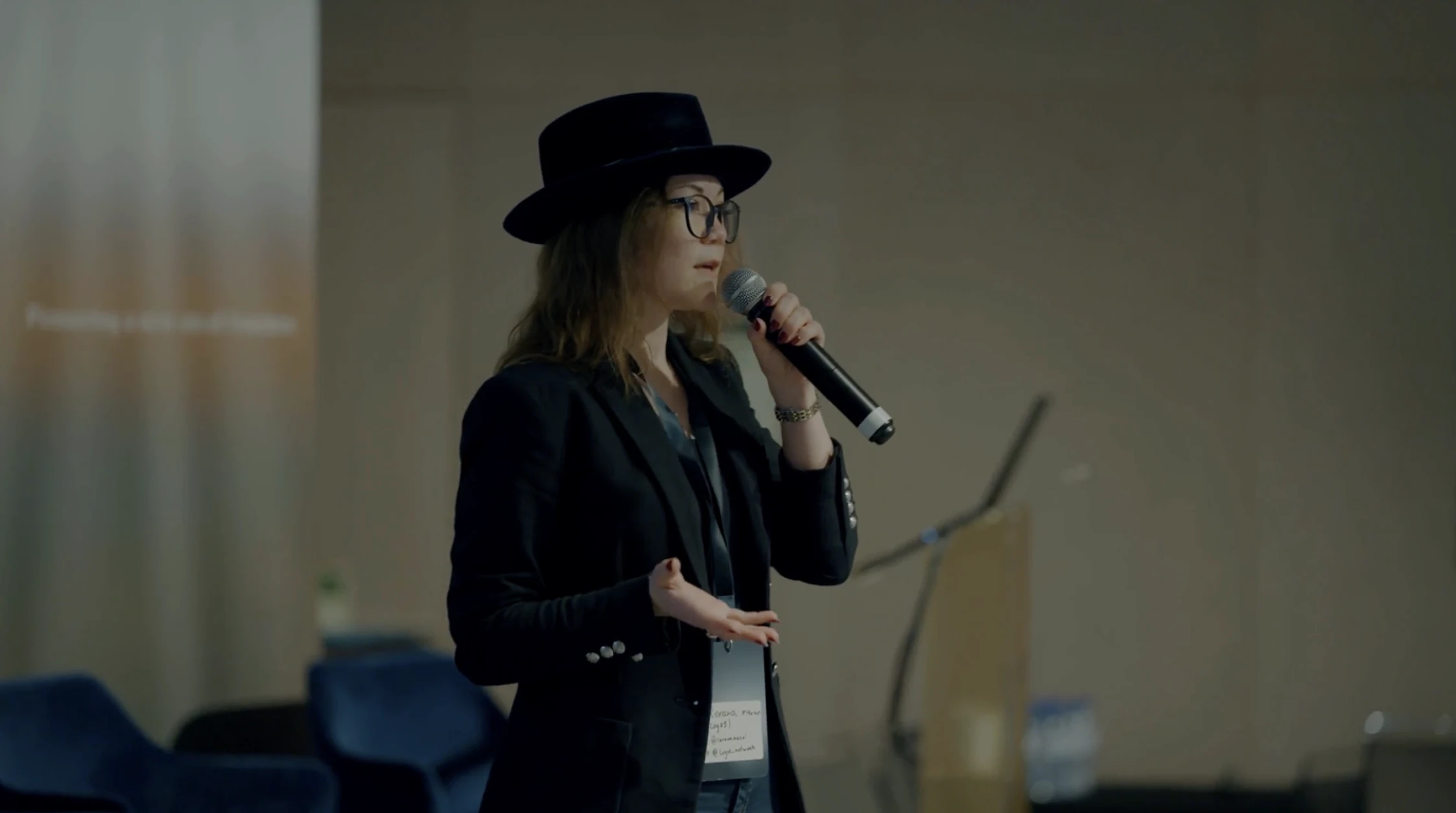
Three programmes, one week.
Company All-Hands
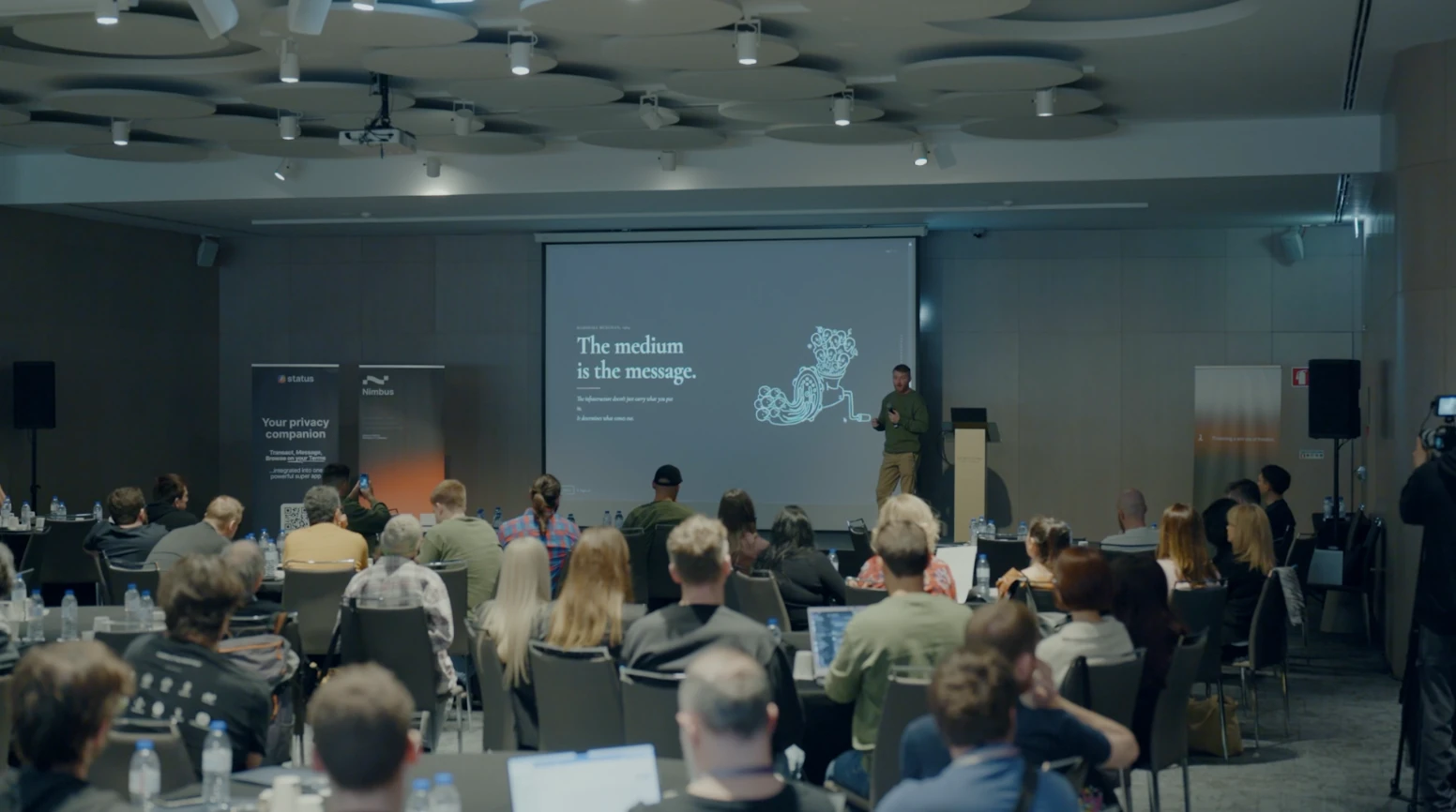
The internal heartbeat of the week. A full company alignment moment across two connected hotel properties — conference floor, breakout rooms, and shared meals designed so that 150+ remote teammates could finally do the thinking, deciding, and reconnecting that's hard to do over a screen.
Parallel Society Festival
An external public festival exploring technology, decentralisation, digital freedom, and alternative ways of organising society. IFT didn't just attend — they layered their company gathering around it, so people could move fluidly between internal sessions and external energy.
Internal Team Time
The quietest layer, and arguably the most important: a co-working space during festival days, unstructured hours, riverside dinners, walks between sessions. Space for the conversations that don't fit on a schedule but make the week worth doing.
"We've moved from 'can we make this happen?' to 'how do we make this really meaningful?'"
Melanie
Food, Glorious Food: Designing Space for Simplicity Inside Complexity.
After all the airport chaos, last-minute deals and festival energy, the moment people talked about most wasn't a keynote or a workshop. It was dinner.
After the intensity of the March 5th all-hands, the team walked three minutes from the hotel and sat down together. No taxis to organise. No countdown to the last shuttle. No logistics, still running in the back of everyone's mind.
Just 152 people, already relaxed, very hungry, and very ready to take a load off.
What followed wasn't meant to be a headline moment. But Lisbon is world-renowned for seafood; on this particular evening, it happened to arrive in the form of an unforgettable sushi feast.
The verdict afterwards was remarkably consistent: one of the best meals of the week. For some, the best meal of any IFT offsite. For some, still, the best meal ever.
Maybe that's the lesson. For a company that spends most of the year working remotely, moving from rushed lunches in front of a laptop to a long table full of friends, conversation, and excellent food is more powerful than any team-building exercise.
N.B. And if you're heading to Lisbon and wondering where to find that sushi… Just ask.