Update Date:
June 4, 2026
When the world thinks of Europe, they think of London, Paris, Rome, etc. They think of the West, basically. All amazing places to visit. But they might not be amazing for company off-sites.
We’re not here to sell destinations. We’re here to help achieve objectives. Let the tourists enjoy the Instagrammable West. For ROI, make use of our local expertise in Central and Eastern Europe.
Over the last few years, we've helped teams gather everywhere from Croatian islands to Serbian mountains. We've hosted startup founders reconnecting after years of remote work, engineering teams meeting in person for the first time, and global organisations bringing colleagues together from five continents.
The region combines excellent value, strong infrastructure, rich local culture, and something that's becoming increasingly rare across Europe's most famous destinations: authenticity.
Here are 8 locations we'd genuinely recommend.
Choosing a location before you’ve confirmed your objective is the biggest error you can make in off-site planning.
It’s like choosing an outfit in the morning before you’ve looked at your agenda or checked the weather forecast.
A leadership offsite needs something different from a company celebration.
A distributed engineering team needs something different from a sales kickoff.
A strategic planning retreat needs something different from a team reconnecting after twelve months apart.
The destination should support the goal. The outfit should support what you’re doing that day.
Keep that in mind as you work through this list.
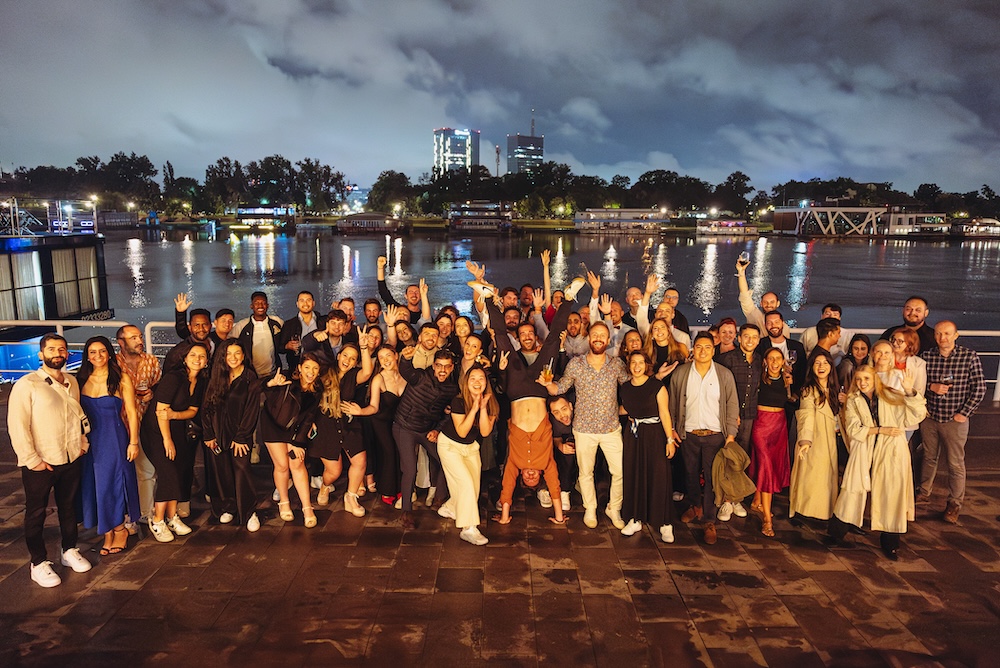
People choose Belgrade because it’s seductively affordable. But they don’t leave talking about how much money they’ve saved. They leave talking about the atmosphere.
It’s a social city without being over the top. Beauty and history to rival any city in the West. The food and the wine are criminally underrated. And yes, you will be very happy with the value.
When Nomad Homes brought together their team of 68 people spread across 12 countries, Belgrade provided exactly what they needed: enough structure for productive sessions and enough spontaneity for genuine connection.
As Nancy McCrea, Chief of Staff, put it — 'The retreat had an immediate positive impact on our team dynamics. We returned with stronger bonds and more honest conversations. Trust increases when you know someone better in real life.' From a Danube boat tour to an impromptu karaoke night when the rain changed the plans, Belgrade simply makes it easy for people to spend time together."
April - June and September - October.
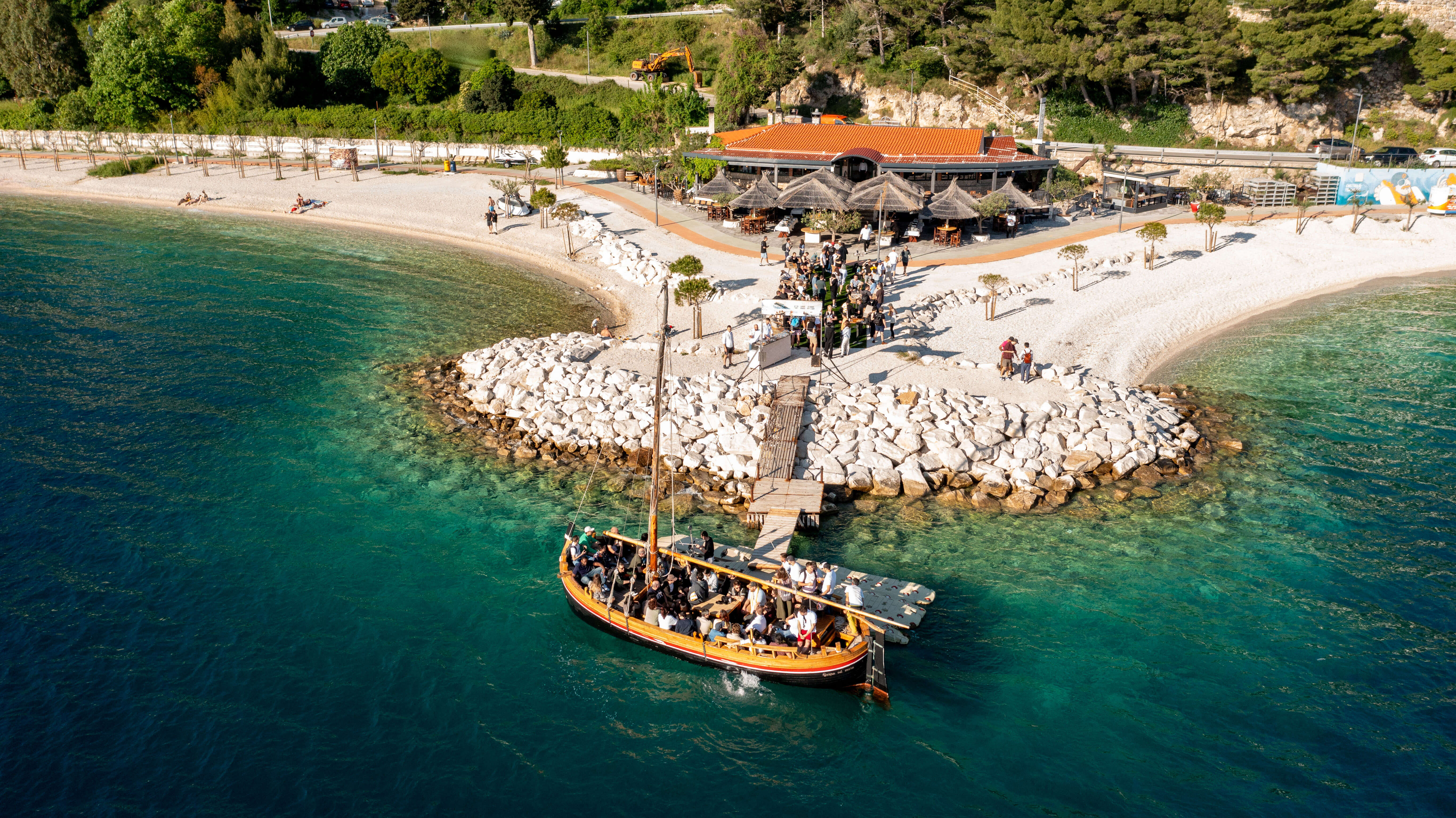
Split is the offsite planner's multi-tool. It can do it all. You can run strategy sessions in the morning, swim in the Adriatic in the afternoon, and end the evening over grilled seafood and Croatian wine and on into the wee hours. That balance matters.
The best retreats - like life at large - aren't all work, and they're not all downtime either. The strongest ones create enough structure for meaningful progress and enough space for people to reconnect as humans.
Split does both exceptionally well.
One of the clearest examples came from IFT (Institute of Free Technology), a remote-first organisation supporting open-source projects around the world.
As the organisation grew, communication became harder. Teams became increasingly distributed. Leadership recognised something many remote companies eventually discover: not every problem can be solved through another Slack channel. So they brought 170 people to Split.
Over two and a half weeks, the programme combined leadership meetups, team breakouts, strategy sessions, coffee tastings, boat trips, beachside BBQs, sunset cocktails, and sincere reconnections. What happened afterwards is the interesting part.
Leadership reported clearer communication, faster decision-making, and stronger alignment around the organisation's mission. We've seen versions of that story again and again. In short, the ROI isn't the boat trip. It's what happens long after people have returned home.
May - June and September.
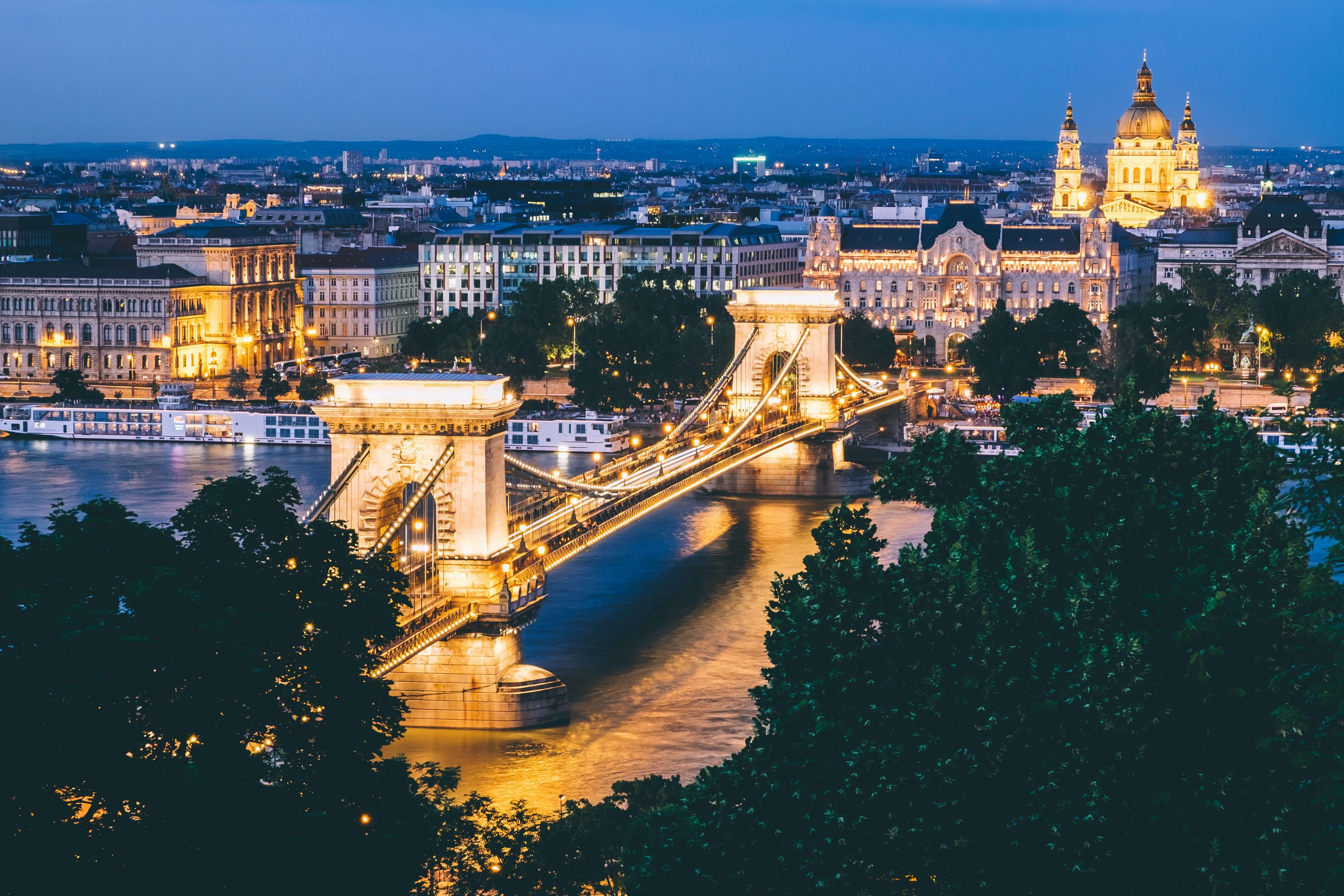
Budapest is one of Central Europe’s biggest names. And yet, it still delivers an impressive amount of value.
The architecture feels grand. The food scene is excellent. The infrastructure works. It’s one of the world's great cities. And yet… the overall cost often surprises teams accustomed to Western European capitals.
Logistics matter more than most people realise. When participants are flying in from six or seven countries, easy connections become a genuine advantage. Budapest consistently performs well here.
And, moreover, the city itself is just always a hit with visitors. It’s never a hard sell.
April–June and September–October.
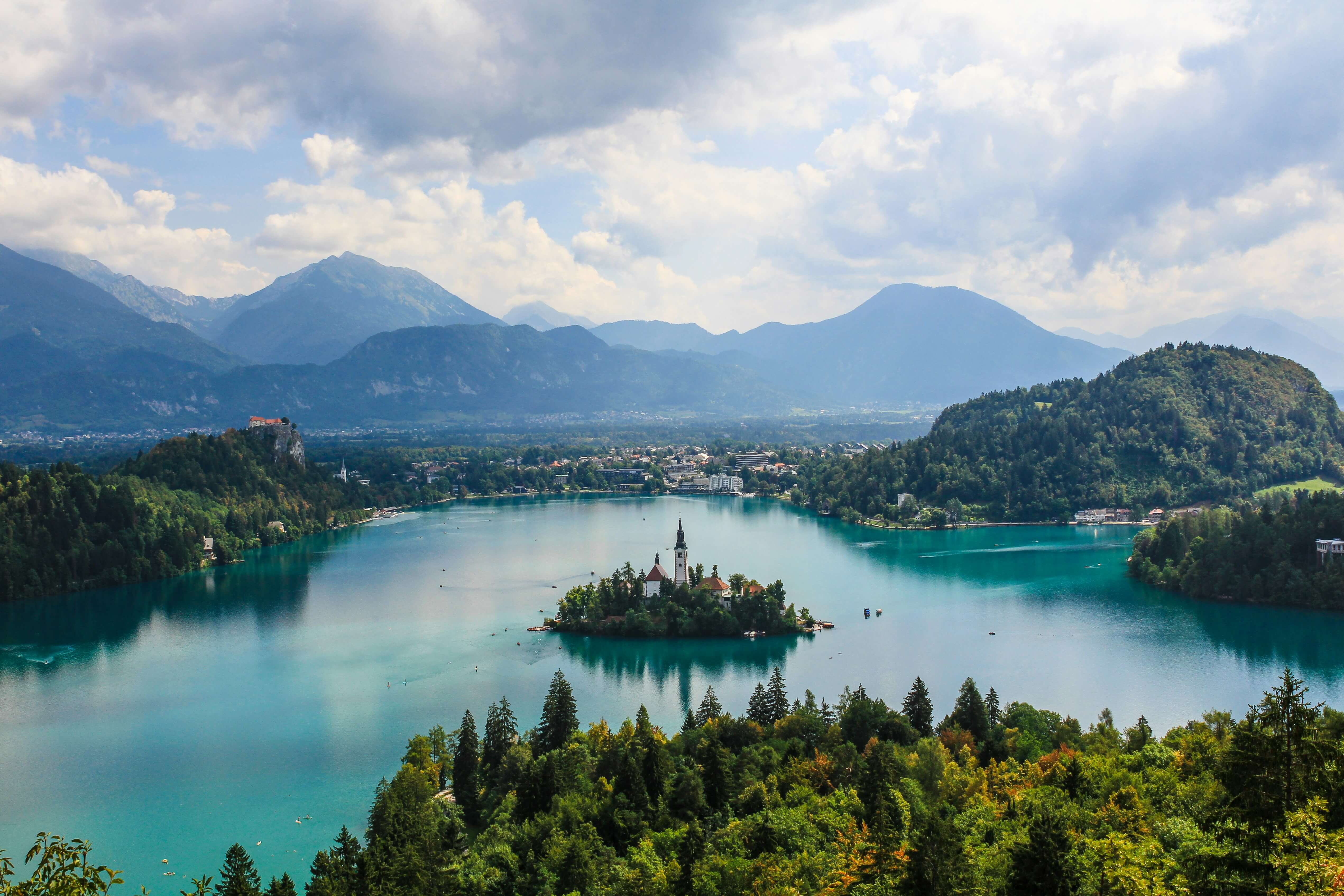
To use the word fairytale might seem like an exaggeration. But Lake Bled has to be seen to be believed.
A small turquoise blue lake, surrounded by rolling alpine mountains, with an island chateau at its centre. The stress of contemporary life is nowhere to be seen here.
It’s a place that slows teams down. It’s calm. It repairs, recharges, and recalibrates.
The most productive retreats aren't always the busiest. In fact, they're often the opposite.
Lake Bled works because it encourages people to think beyond the next email, the next sprint, or the next deadline.
May–June and September.
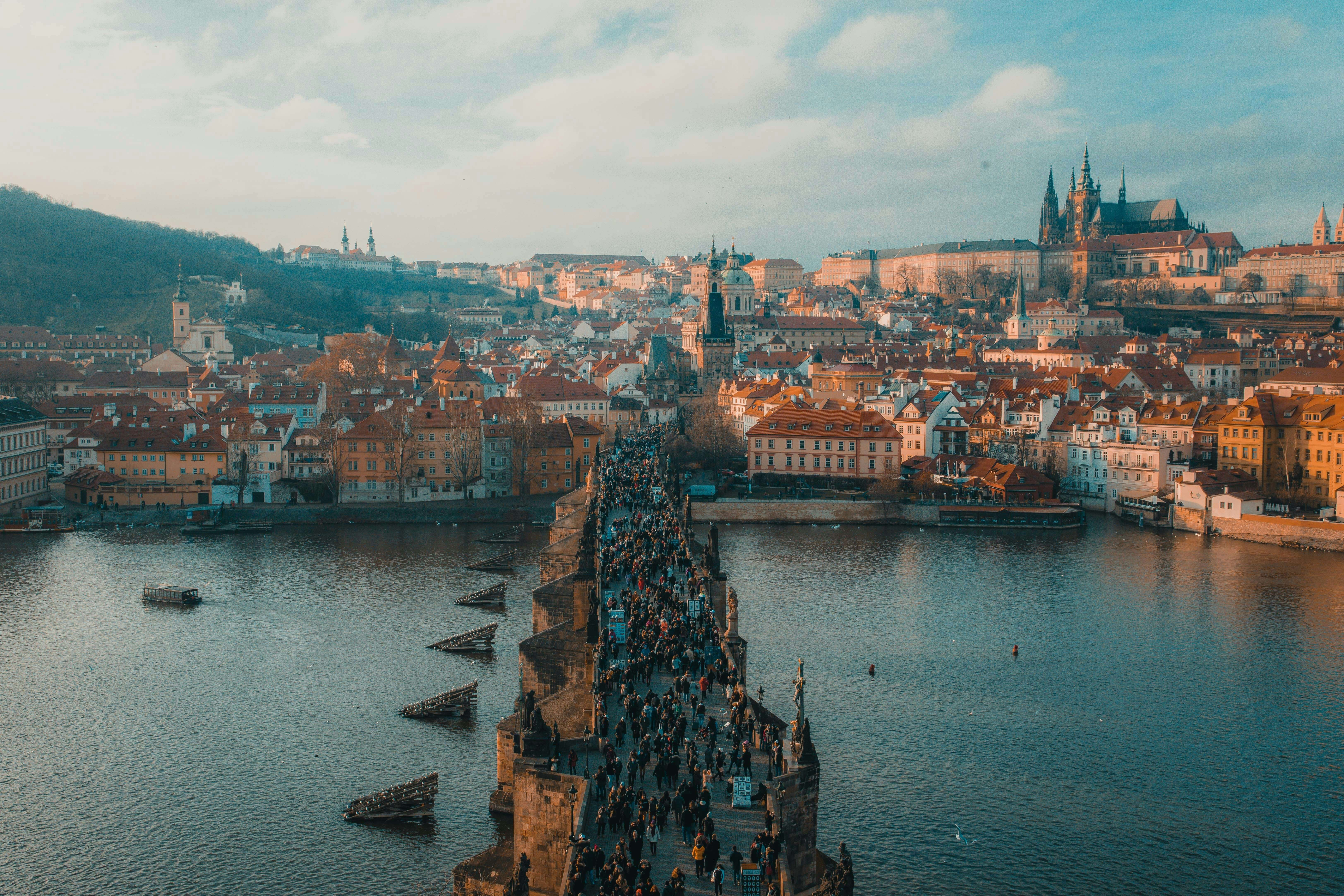
Prague remains one of Europe's most accessible retreat destinations.
The city combines strong infrastructure, direct flights, excellent hospitality, and enough cultural depth to make the experience memorable.
Unlike some historic cities, Prague doesn't feel like it's trying to impress you.
The architecture, food, and atmosphere simply exist as part of everyday life.
That authenticity comes through in the retreat experience.
April–June and September–October.
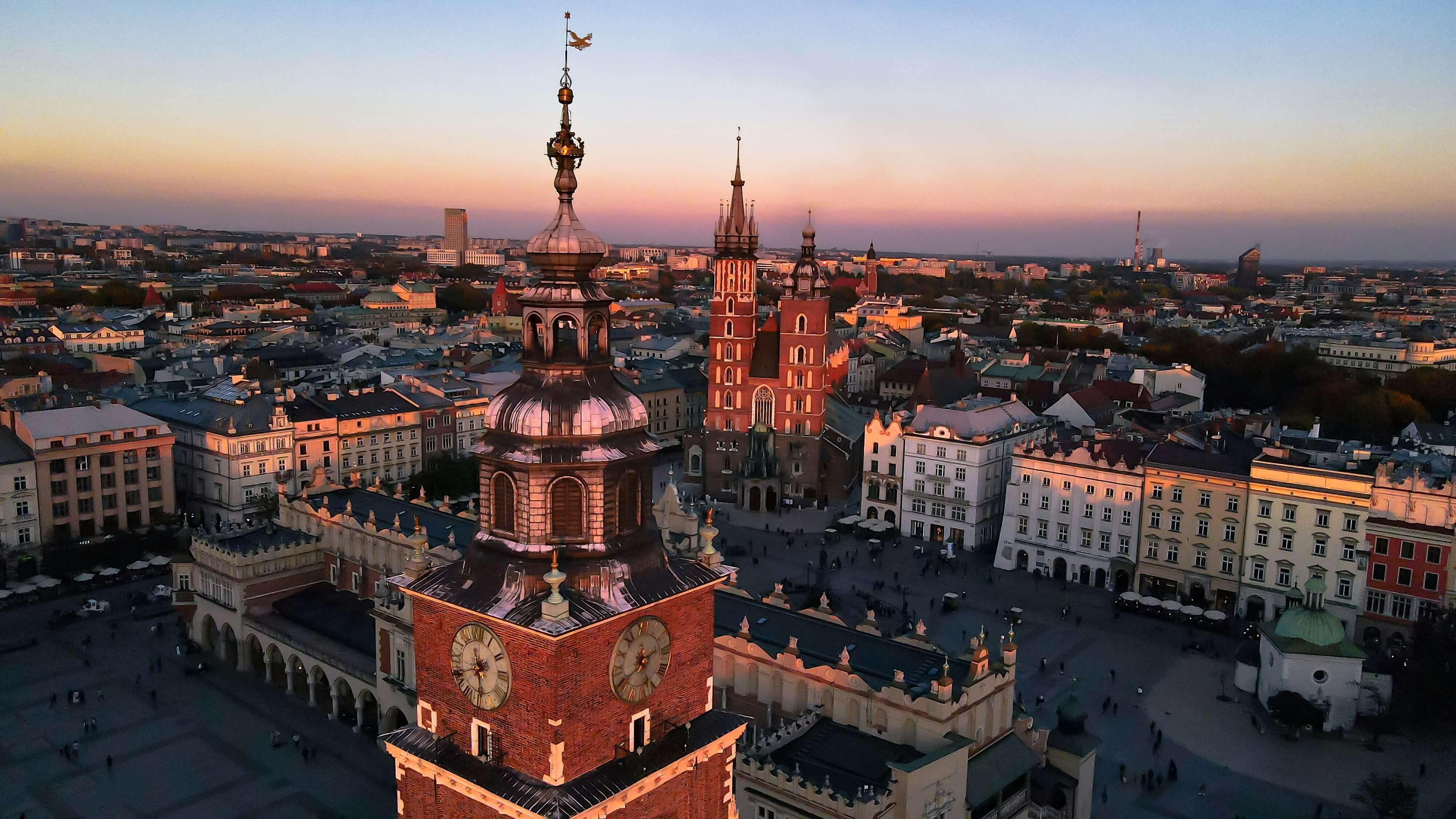
Kraków is one of Europe's easiest cities to enjoy. The old town is walkable. The food scene is strong. The pace is logistically a dream.
For retreat organisers, that's valuable. The fewer logistical hurdles people encounter, the more energy they can devote to the retreat itself.
May–June and September.
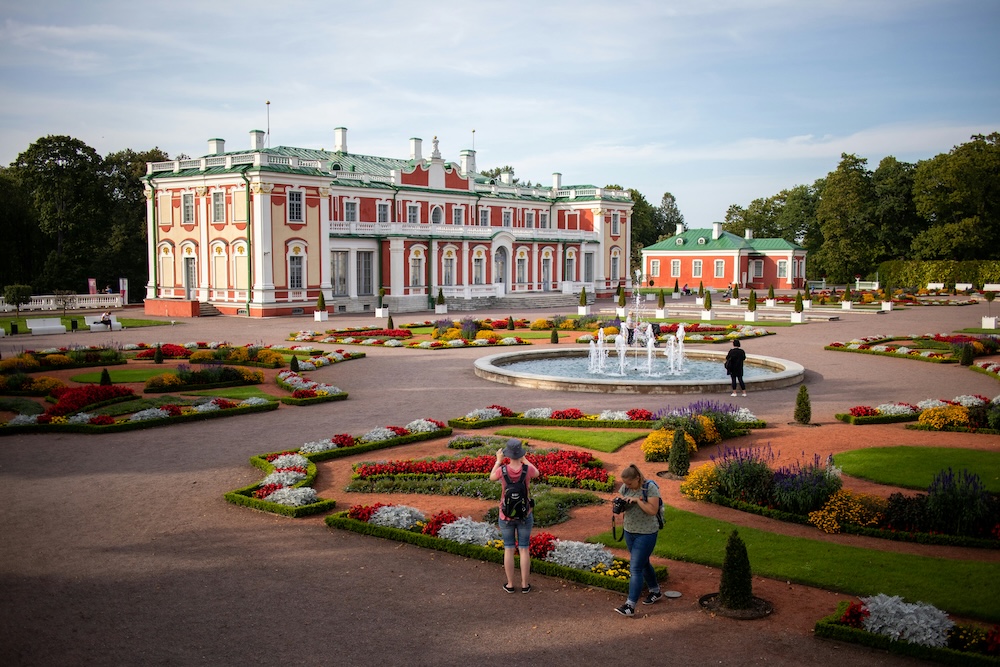
Tallinn is historic without feeling trapped in the past. It’s the perfect vendiagram of Medieval UNESCO Heritage city and a tech start-up hub.
It’s known as the Silicon Valley of Europe. But yet, it hasn’t inherited the negative corporate connotation that comes with such places.
Compact enough to navigate easily but large enough to offer plenty of options, Tallin is perfect for remote work.
Technology companies often assume they need something flashy. In reality, they usually need somewhere that makes gathering feel effortless. Tallinn does that exceptionally well.
May–September.
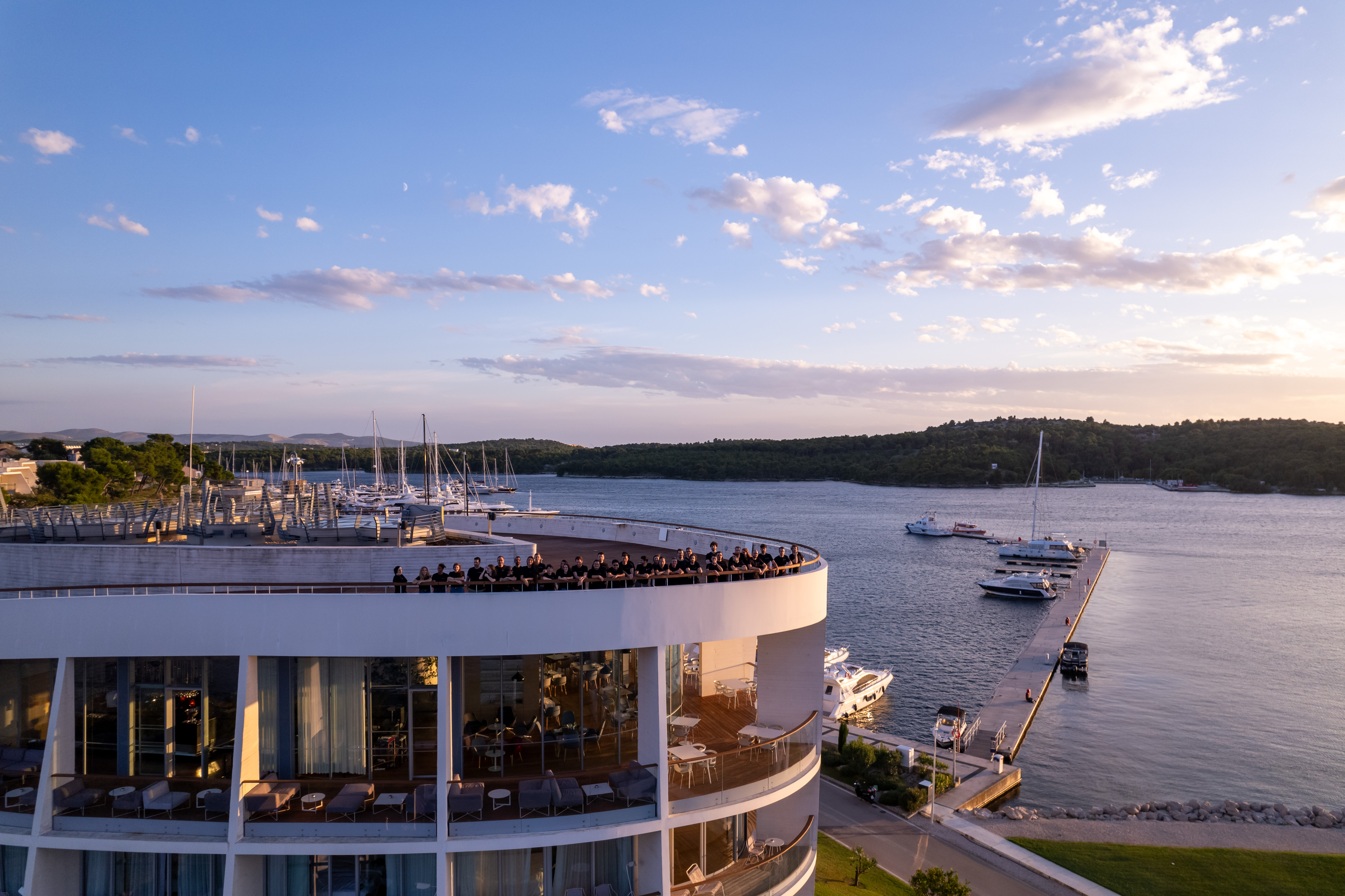
Šibenik is what happens when you take everything people love about the Croatian coast and remove most of the chaos.
The old town is built from pale stone that glows gold in the evening sun. Fishing boats bob beside waterfront cafés. A ten-minute boat ride can take your team from a workshop venue to a hidden swimming spot in the Adriatic.
Unlike some of Croatia's better-known destinations, Šibenik feels lived in rather than tourist attraction, which has quite the effect on the visitors that do make it there.
We've brought multiple remote teams here, and the pattern is always similar: people slow down.
When cybersecurity company QuoIntelligence gathered 38 team members in Šibenik, they deliberately reduced the number of scheduled activities and priorifewer connectionsinstead. The result wasn't fewer connections; it was more.
We saw a different version of the same success with Win.app. Their brief was simple: no work. No workshops. No presentations. No strategy sessions.
Just four days dedicated to celebrating success together. Treasure hunts through the UNESCO-listed old town, kayaking along the coast, island-hopping in the Kornati archipelago, and long evenings by the sea created exactly what they were after: genuine connection without forcing it.
May–June and September–October.
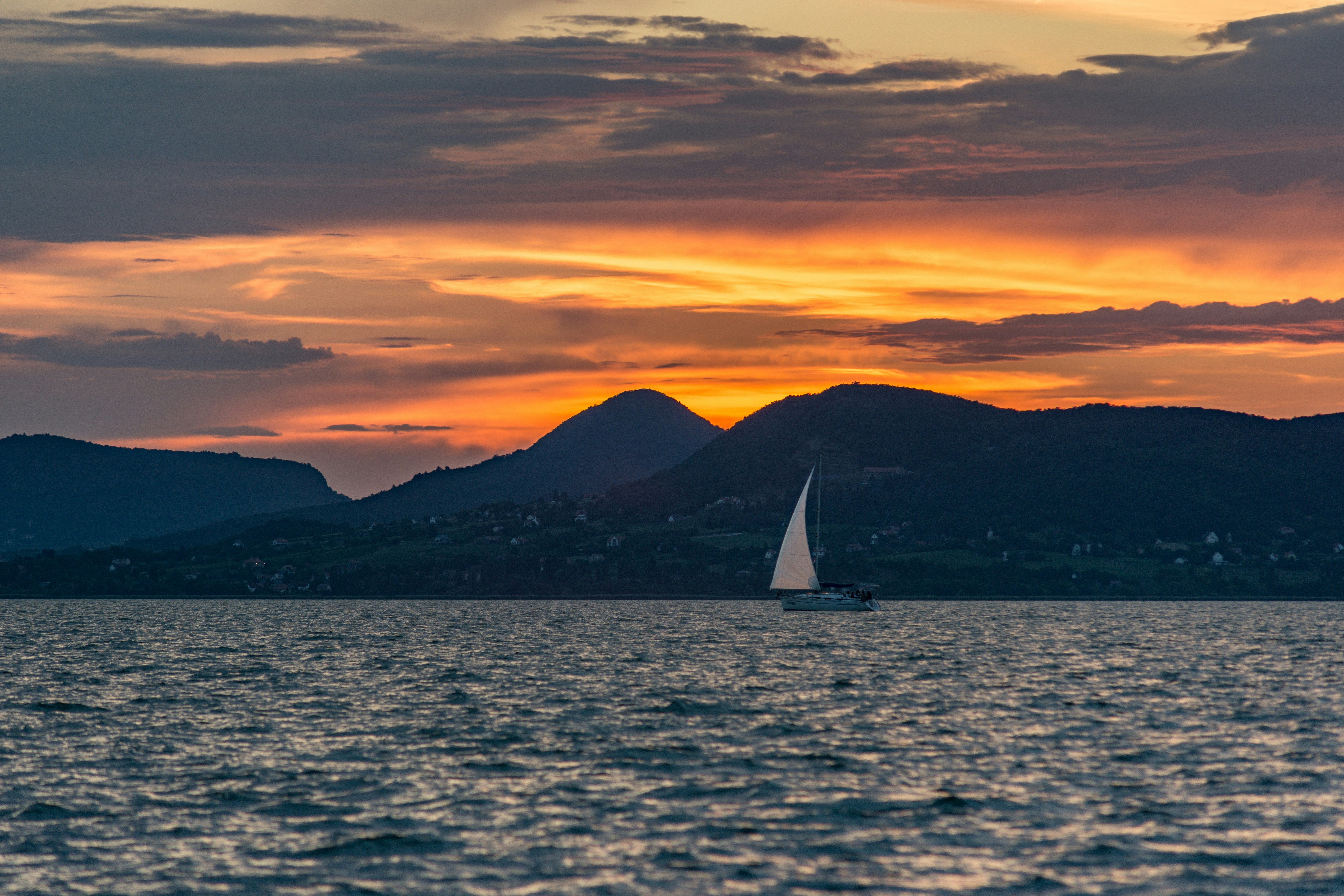
Locally, Lake Balaton is called the Hungarian Sea. Even though it’s technically a lake, it does feel rather a coastal. Vineyards roll down towards the water. Sailing boats drift across the horizon. Long lunches, local wines and lake fish. It’s glorious.
Lake Balaton gives teams something many retreats lack: room to breathe. There's less pressure to rush from one activity to another. Less temptation to disappear into a city. More opportunity for focused conversations and strategic thinking.
Some retreats need energy. Others need clarity. Lake Balaton works best for the second category.
When leadership teams need space to think beyond the next sprint, quarter, or product launch, slower destinations often outperform busier cities.
May–September.
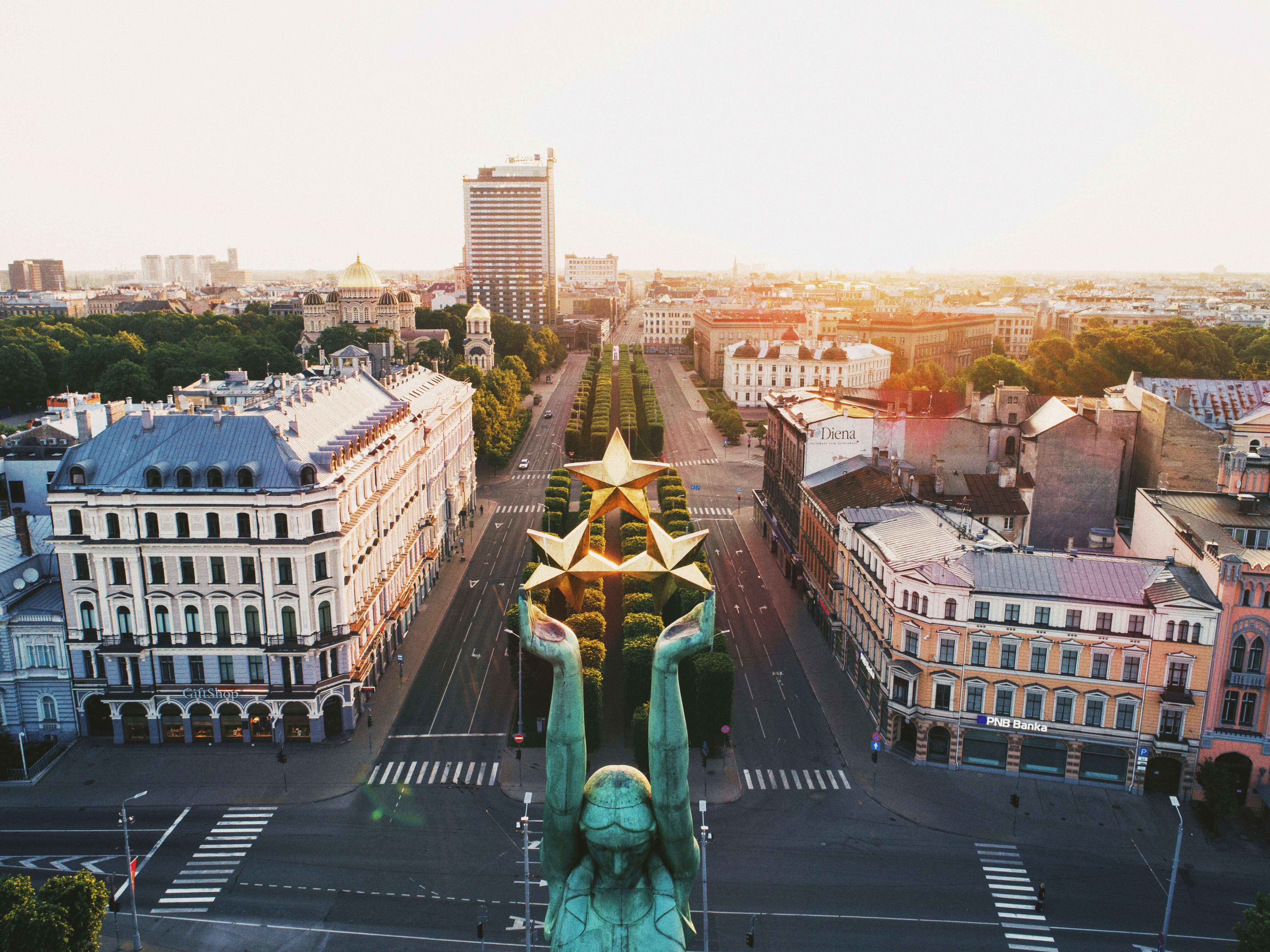
Riga is gaining popularity year by year. But it still flies under the radar. That's exactly why many teams love it.
The city combines elegant Art Nouveau architecture, strong flight connections, excellent value, and a compact centre that's easy to navigate as a group.
You get the convenience of a capital city without the costs and crowds of Western Europe.
Riga feels substantial without feeling overwhelming. Your team can spend the morning in a modern workshop space, walk together through cobblestone streets for lunch, and finish the evening in a restored historic building overlooking the Daugava River.
May–September.
If budget is the priority:
If you're celebrating success:
If you're planning a leadership retreat:
If your team is fully remote:
If you want a balance of work and downtime:
The truth is, there isn't a single best retreat destination in Europe. The best destination is the one that supports your goals, your team culture, and the kind of conversations you want people to have.
We've seen extraordinary retreats happen in luxury resorts. We've seen equally successful retreats happen in modest countryside venues with great food and the right people around the table.
The destination matters. But choosing it for the right reasons matters even more.
You don’t need a Task Force. You don't need another spreadsheet. You don't need twenty browser tabs comparing venues. And you definitely don't need to learn the difference between dozens of destinations from scratch.
We've planned retreats across Central and Eastern Europe and know the realities behind the brochure photos. We know the venues that genuinely work, the seasons worth avoiding, the local partners you can trust, and the details that make an event feel effortless.
Whether you're exploring Croatia, Serbia, Hungary, Slovenia, Poland, the Czech Republic, or the Baltics, we'd be happy to help.
Planning a retreat in Central or Eastern Europe? Let's talk.

You brief us once. We handle venues, travel, activities and everything in between.