Update Date:
May 13, 2026
In This Guide:
Your first retreat sounds exciting. And it is. But it’s also a lot of pressure.
It’s not usually the big landmark tasks that hurt you - choosing the location and dates, booking the flights and the accommodation.
It’s the small things you didn’t even think to think about that build up to a big landmark problem.
We’ve had a talk in the Slack chat with our most experienced planners. And we’re presenting their best advice for first timers. What to do. What not to.
It could save you from classic first-time horror stories!
Before anything else, before locations, before budgets, there’s a question that often gets rushed or vaguely answered:
Milana put it bluntly: first-time planners focus on where and what, not why.
We’ve run retreats where everything looked right on paper. Beautiful setting, smooth travel, packed agenda. And still, by the end… no one could quite say what had changed.
Compare that with teams who come in clear:
Those retreats feel different almost immediately. As our good friend at QuoIntelligence Antonio literally always says, “the impact is always immediate.”
Not because of the venue. Not because of the agenda. But because every decision that follows has a reference point.
When the goal is unclear, everything becomes negotiable. The agenda becomes flexible in the wrong way. The location starts driving decisions it shouldn’t. Even the success criteria blur until anything vaguely positive gets labelled a win.
In short, the clearer the purpose, the less you rely on decoration to carry the outcome.

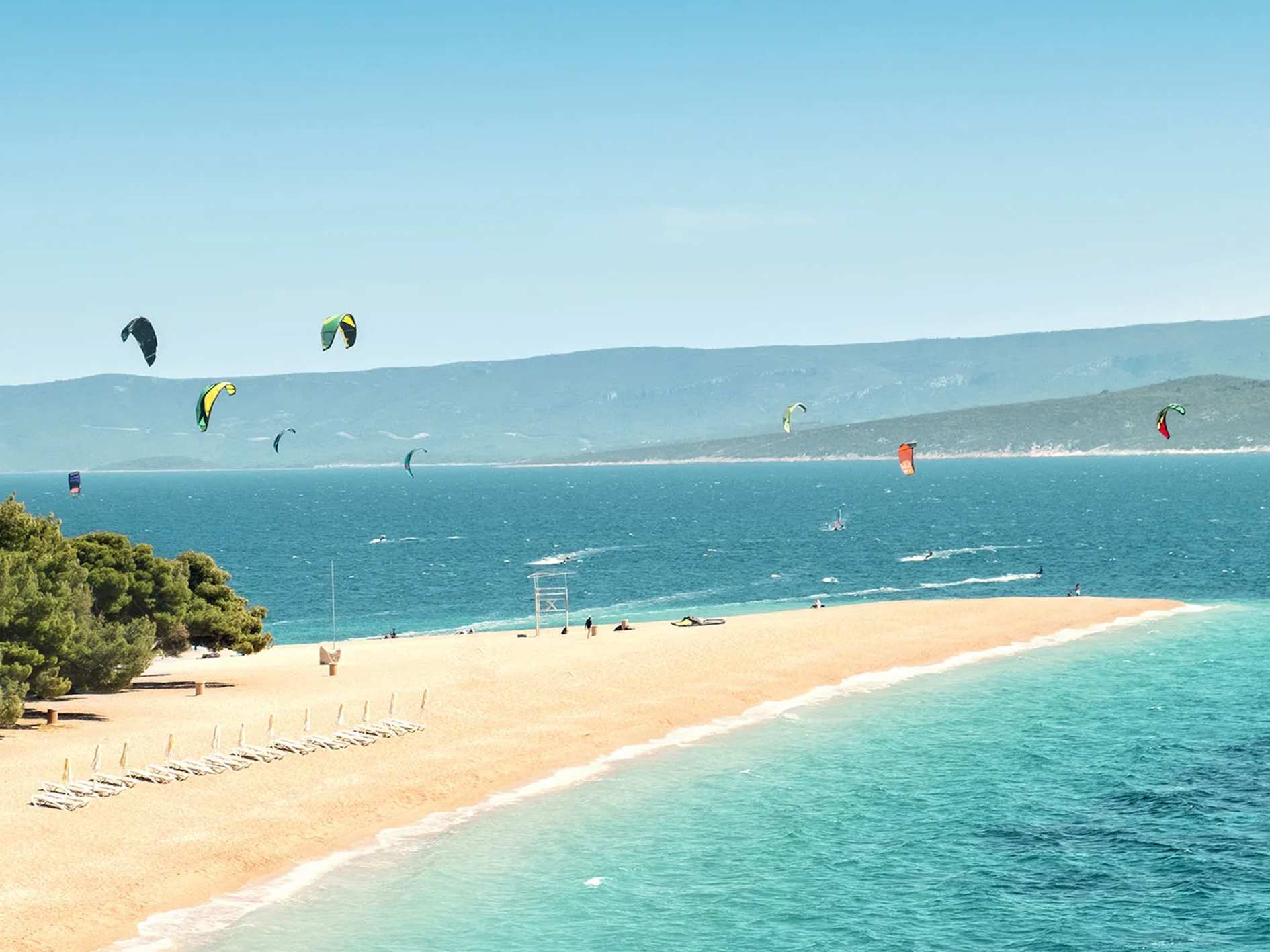
We live in a world where everyone seems to be showing off where they are and what they have. So naturally, retreat planning starts drifting toward brand-name cities, rooftop pools, five-star hotels, and dramatic terraces overlooking the sea.
And look, we love a beautiful venue as much as anyone. But somewhere along the way, a lot of teams stop asking whether a venue actually works for the retreat itself. We see stunning brochures answering questions nobody asked, all in the name of luxury.
Because the truth is, the pool isn’t where the work happens. The work happens in the meeting room at 10:30am, when the group’s energy dips and the lack of natural light suddenly matters. It happens on day three, when acoustics, comfort, layout, and airflow determine whether people are still engaged or quietly checking out.
We’ve seen teams spend huge chunks of budget on prestige locations, then compromise on the things that actually shape the experience: workable meeting spaces, logistics, pacing, onsite support.
And venues know exactly how to market themselves. The photos look incredible. The WiFi says “high speed.” The food looks excellent online. But real retreat conditions are different. Thirty laptops open at once. Constant video calls. A large group needing lunch served quickly without it feeling like conference catering from 2009.
None of this is malicious. Hotels optimise to be chosen. Retreat planners need environments that function in reality.
That’s why local knowledge matters so much. We don’t recommend places based on brochures. We go first. We work from the rooms. We test the WiFi properly. We notice the details most people won’t catch until they’re already onsite and dealing with them in real time.
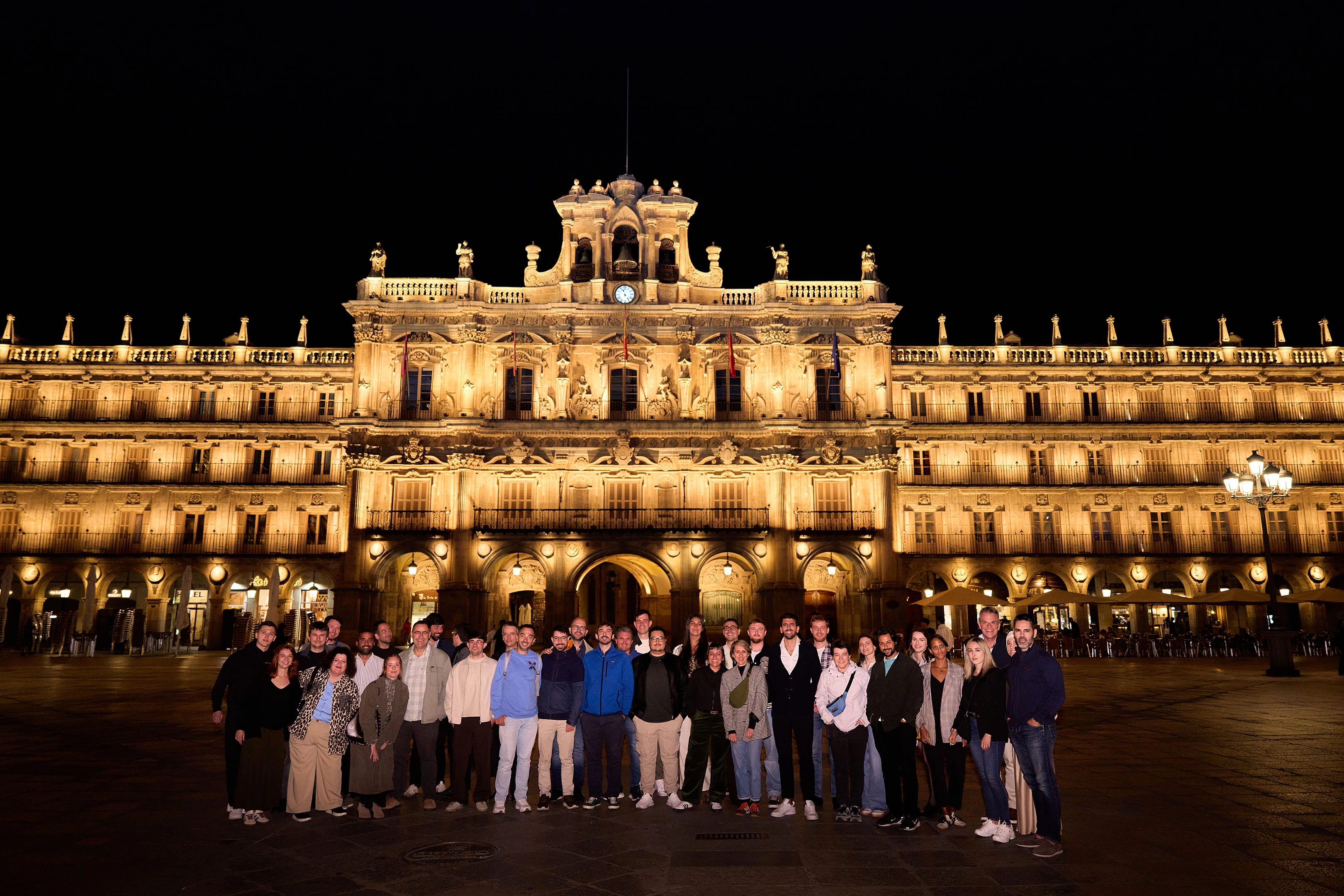
First-time retreat planners almost always gravitate toward the same destinations. Barcelona. London. The big names. And it makes sense. They’re easy to justify internally. They look impressive. Everyone recognises them. Nobody’s going to complain about spending a few days there.
But our event planner Barbora often talks about how the most famous destinations are sometimes the ones that quietly work against the retreat itself. Because once people arrive, the city becomes the main character.
Someone wants to visit the museum they bookmarked months ago. Another person disappears for dinner with an old friend nearby. Half the group ends up scattered across different hotels because central accommodation costs exploded. What was supposed to feel shared slowly starts fragmenting into individual city breaks with meetings squeezed in between.
We’ve seen the opposite too. Smaller, walkable cities where everything simply flows. People naturally stay together because the environment supports it. Shared breakfasts turn into conversations that continue on the walk to sessions. Teams drift into the same bars, cafés and side streets instead of splitting off in different directions.
The retreat starts feeling cohesive without anyone forcing it. And practically speaking, these places often work better too: shorter transfers, simpler logistics, more manageable pacing, fewer moving parts.
That’s why some of the strongest retreats we’ve run haven’t happened in the obvious destinations. Teams like Quointelligence in Salamanca or Qwello in Piedmont benefited from places that kept people connected instead of constantly pulling their attention elsewhere.
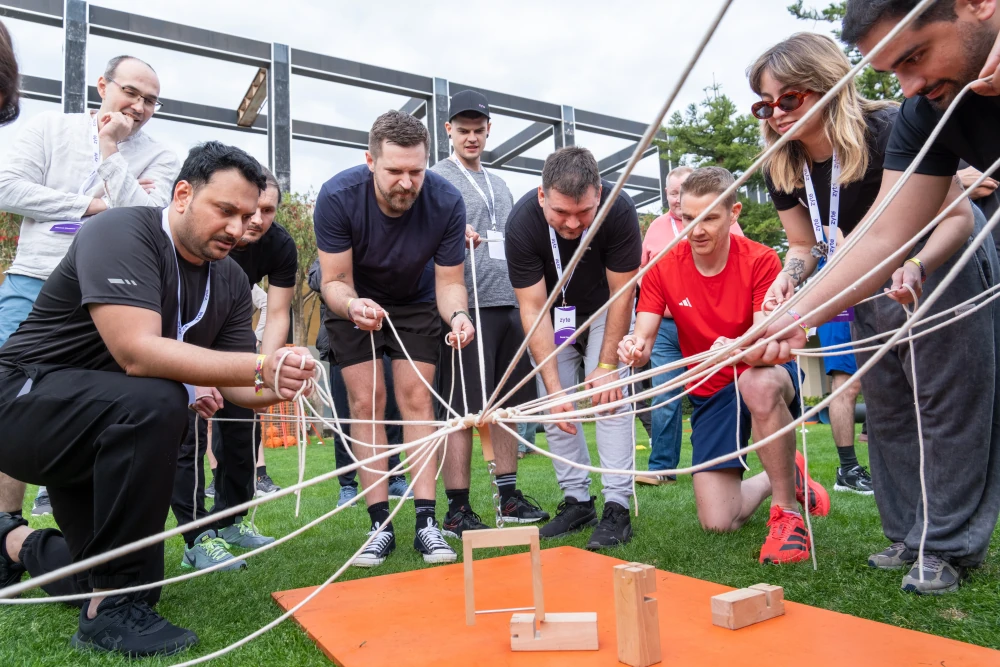
The instinct to make the agenda bigger. Fuller. More ambitious. Another workshop. Another dinner. Another activity squeezed into the gap between sessions because surely more value comes from more programming.
What looks productive on paper often fails completely in reality. And everyone falls for this one…
One of the biggest mistakes first-time retreat planners make is overloading the agenda. Every hour gets filled. Workshops run into activities, activities run into dinners, and suddenly the entire retreat feels like an endurance test with cocktails. It comes from good intentions. People worry that empty space will feel wasted. So they keep adding.
But retreats aren’t normal workdays. They’re socially and cognitively intense in a way most teams underestimate. People are “on” constantly, in sessions, at lunch, during evening drinks, walking between venues. By day two, energy dips hard. Not because the programme is bad, but because nobody has had a moment to properly decompress. The best retreats leave room to breathe.
We seen ourselves over and over again. At a recent retreat in Malaysia, one of the standout moments happened entirely by accident. The formal programme had ended, people were loosely packing for flights the next morning, and because the evening hadn’t been overscheduled, the group naturally drifted into the hotel lobby. Someone put music on. Someone else started dancing. Within minutes, it became an impromptu Latin dance party.
Nobody planned it. That’s why it worked. The irony is that the retreats people remember most fondly are rarely the ones packed with the most activities. They’re the ones with enough white space for people to relax, reconnect, and let conversations happen naturally.
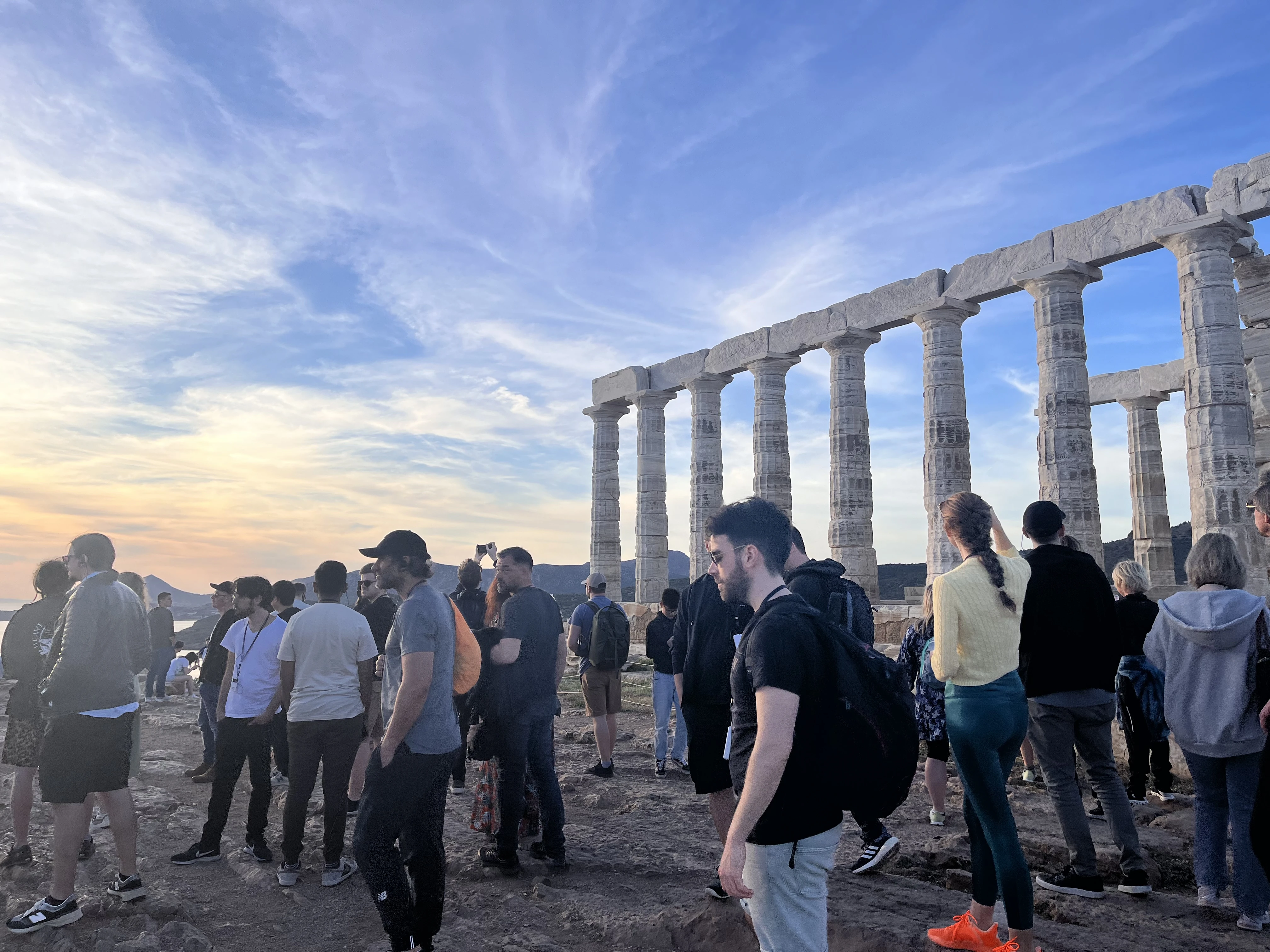
Retreats that fail are almost always death by a thousand cuts as opposed to one single crushing moment.
A transfer runs late. A session overruns. Lunch service slows down. Someone’s room isn’t ready. None of these things are disasters on their own, until there’s nobody there to absorb them. And suddenly the organiser isn’t participating in the retreat anymore. They’re firefighting.
That’s the part people rarely see when a retreat runs smoothly. The invisible layer underneath it all. The contingency plans. The timing adjustments. The constant recalculation happening in the background so the group never feels the wobble.
We had a moment in Malaysia earlier this year that captured this perfectly. The opening All Hands was about to begin when eight team members walked into the room at the last possible second. The entire group burst into applause.
What nobody in that room fully saw was the 24 hours beforehand: visa delays, embassy silence, rebooked flights, rerouted transfers, reshuffled rooming lists, contingency plans layered on top of contingency plans. Our WhatsApp looked less like event planning and more like mission control.
But the retreat itself never stopped feeling calm. That’s the real role of on-the-ground coordination. Not just “managing logistics,” but protecting the experience. Quietly adjusting when reality inevitably refuses to follow the spreadsheet.
Because something will go wrong. It always does. The difference is whether the group feels it.
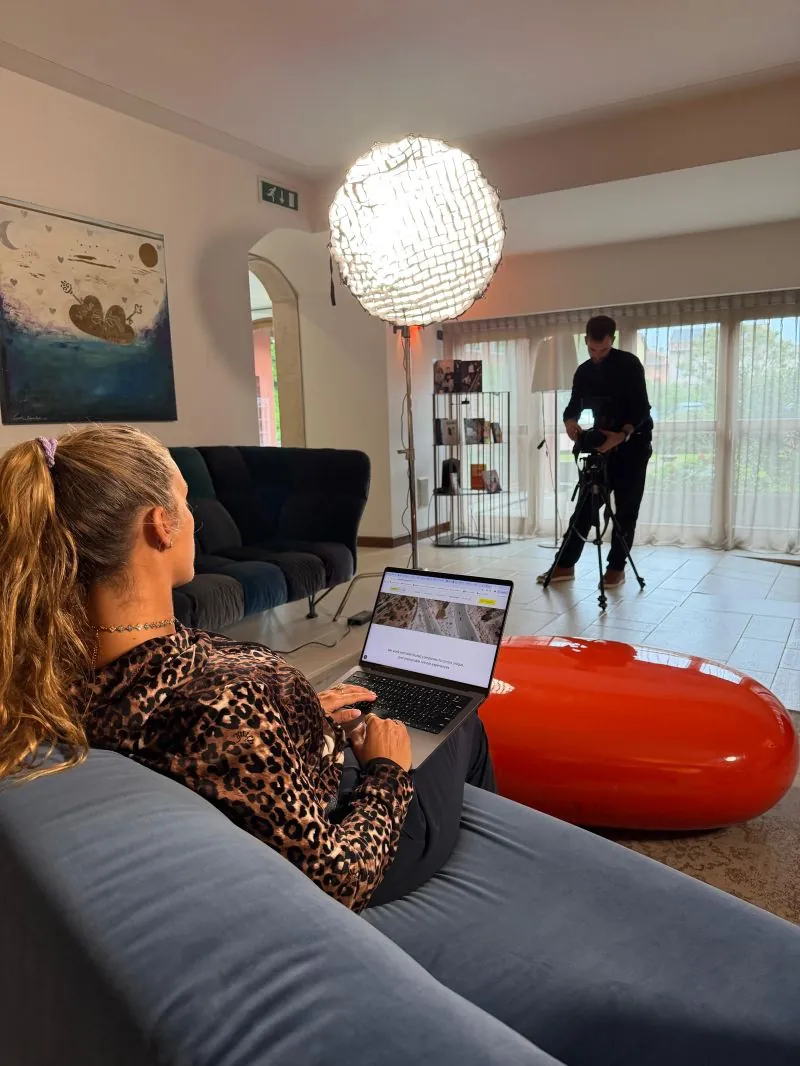
We’ve seen retreats run perfectly well on paper. Then reality starts to shift. Things rarely follow the plan exactly.
In a DIY setup, the pressure changes shape. It lands on the organiser, or worse, it leaks into the group experience. Because someone has to hold the system while it flexes.
Without dedicated on-the-ground coordination, the organiser quietly becomes the default point of resolution, whether they’re meant to be or not. They’re answering questions while trying to stay present, fixing timing while meant to be participating, managing expectations while also being part of the team.
And that’s usually when things start to feel slightly off. Not broken. Just… unmanaged. We saw this clearly in a recent Zyte retreat case study, where the client reflected:
“This time I was able to step back, enjoy the process more… it was a bit of fun for me instead of wanting everything to be over.” — Elspeth Cameron
That shift is subtle, but it’s everything. Because a good onsite lead doesn’t just “manage logistics.” They absorb friction. They protect attention. They quietly adjust timing before disruption spreads. They fix problems before they become visible to the group.
We’ve seen the contrast first-hand in other projects too, like the Hypatos retreat case study:
“We tried to do it alone and it was very challenging… not being there at the location, not seeing it — that was difficult for us.”
“It was a very good feeling to know we were in someone’s hands that knows what they’re doing.”
That “being in someone’s hands” feeling is the point.
With the right on-the-ground support, those same moments disappear from view entirely, not because nothing goes wrong, but because someone is already carrying them before they reach the group.
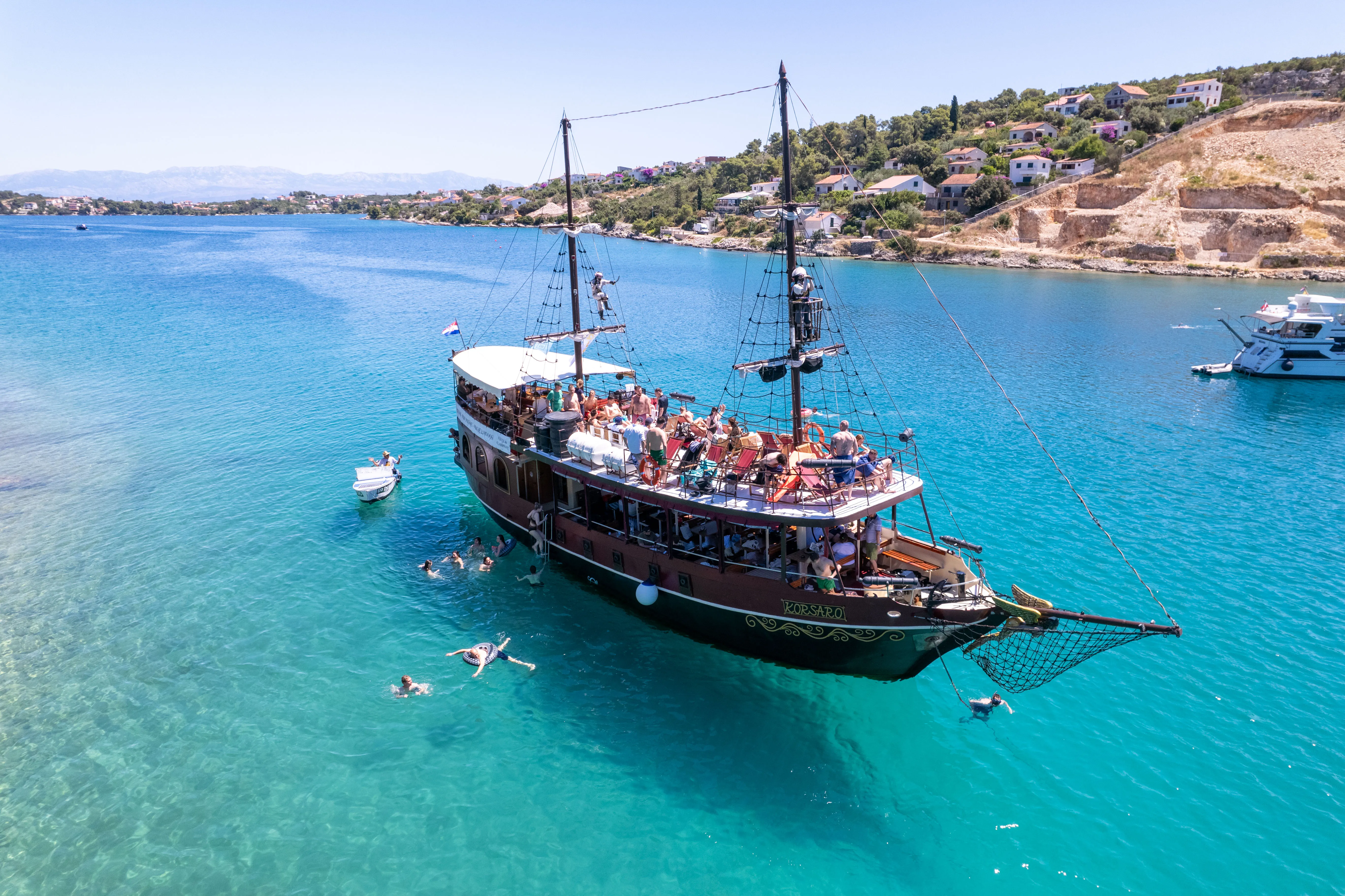
Somewhere between excitement and a long to-do list. If this feels heavier than expected, that’s normal. Because a great retreat isn’t one big decision, it’s a hundred small ones, made with context.
You don’t need another generic guide. You need the version of this that comes from having seen. If you want the practical layer behind everything here, we’ve pulled it into one place:
👉 Ultimate Retreat Planning Checklist
https://drive.google.com/file/d/1V6W2xO-a9h0zLYgxKhKSRvBgs_3vjz6n/view
And if you’d rather not hold all of this yourself, that’s the point where we usually step in.

You brief us once. We handle venues, travel, activities and everything in between.