Update Date:
August 17, 2026
Most icebreakers… are lame. They feel too forced. They're the exact thing that gives corporate work a bad name. They are designed for a very specific situation: a room full of people who don't know what to say to each other. Conferences, training courses, initiations, etc., etc., etc. You know the ones.
"Tell us one fun fact about yourself."
"Two truths and a lie."
"Go around the room and introduce yourself."
We don't want to be too harsh. There's a time and place for these things. Just not for offsite retreats. Because an in-person retreat gives you something a Zoom call doesn't: space, movement, food, drinks, different environments, and a few days in which people can actually get to know one another.
The best team retreat icebreakers take advantage of that.
They're not always games. Sometimes they're just a good question at the right moment. Sometimes they're a reason to walk alongside someone you don't normally work with. Sometimes they're a tiny bit of structure that gets a dinner conversation moving.
And crucially, they shouldn't feel like school.
We don't want to add another listicle to the world where we just throw as many ideas as we can at a document until we hit the number promised in the title. If you want that kind of exhaustive list, we've already written 25 ideas for ice-breaking activities, this one is more selective. Not only are they handpicked by our team of experts, we've organised them by when you're most likely to need them (and what they should be used for): arrival, between sessions, around the dinner table, during deeper connection moments, and finally, when it's time to reflect and close things out.
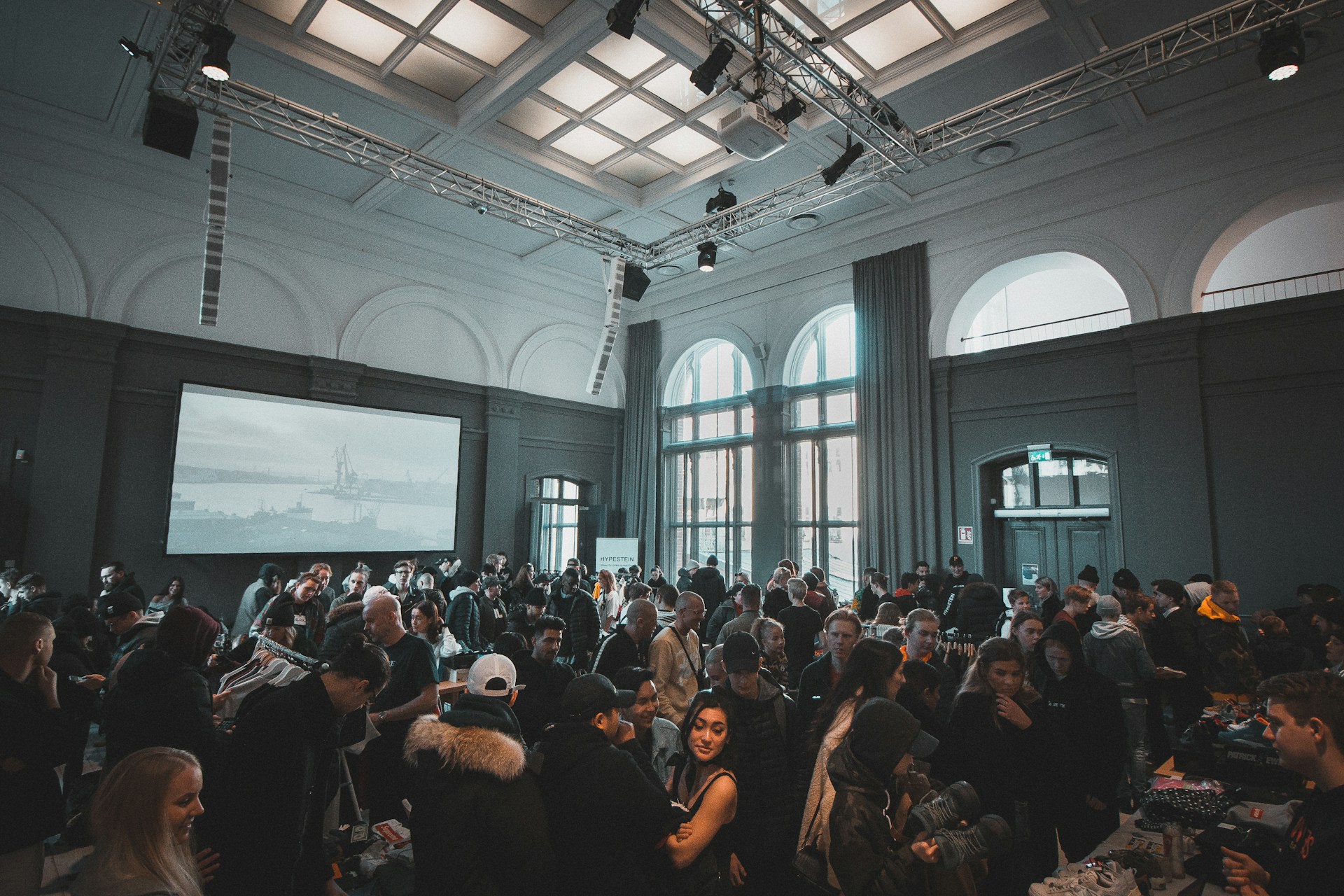
Even the smoothest travel day will leave a person a bit tired. Add the many things that can and do go wrong, and that can make a person more than tired. Grumpy, even. So, Do. Not. put a 45-minute team-building exercise on them on the first evening. Save those for team bonding activities later in the trip, once people have had a chance to settle in. People have travelled. Some are tired. Some are still checking into their rooms. Some have known everyone for ten years. Others have only met their colleagues through a laptop.
Your job is simply to get conversations started.
Give everyone a list of five things to discover about other people.
Someone who has lived abroad. Someone who speaks three languages. Someone who has met a celebrity. Someone who hates coffee.
The only rule: don't ask someone you already know well.
Best for: Welcome drinks.
Ask people to share the strangest, funniest, or most chaotic part of their journey to the retreat.
It turns "How was your flight?" into an actual conversation.
Best for: Arrival drinks or the first dinner.
Ask everyone to share one thing they're looking forward to over the next few days.
It can be work-related, social or completely selfish.
Best for: Welcome drinks or the opening session.
Everyone gets one recommendation for the destination: a restaurant, bar, place to swim, museum, bakery or somewhere to watch the sunset.
You might even end up using some of them.
Best for: First-night dinner.
Ask everyone to choose the strangest or most unnecessary thing they packed.
The stories are usually better than the objects.
Best for: Informal drinks.
Pair people who don't know each other particularly well.
Each person gets three minutes to tell the other about themselves, but they can't talk about their job.
Best for: The first evening when the group is large.
Give people five minutes to find something surprisingly specific they have in common with someone else.
Not "we both work in marketing". Think "we've both broken the same bone" or "we've both lived in Glasgow".
Best for: Arrival or a welcome reception.
Ask everyone to share the worst travel advice they've ever received.
It's easy, funny and doesn't require anyone to reveal anything particularly personal.
Best for: Dinner.
Before the retreat really gets going, ask everyone to predict something that will happen during the trip.
Who will be first in the pool? Which restaurant will be everyone's favourite? Who will stay out latest?
Reveal the predictions at the end.
Best for: First night.
Ask everyone for one word describing how they're arriving at the retreat.
Don't make anyone explain it unless they want to.
It gives the group a quick read on the room without turning the opening into group therapy.
Best for: The opening session.

Lunches at home are generally about convenience. Sustenance. Generally sad. But on offsites, the post-lunch slump can be very real. Every lunch on an offsite is a meal out: food cooked by professionals, maybe even a drink. They're always longer. So you need to nip that post-lunch slump in the bud.
These aren't activities you need to announce with microphone. They're small interventions designed to get people moving, laughing or talking again.
Keep the questions relevant to the destination or group.
Beach or mountains? Early flight or overnight train? City break or remote cabin?
Quick answers, no overthinking.
Best for: After lunch.
Give the group a deliberately trivial question.
Is a hot dog a sandwich? Is breakfast the best meal of the day?
Split the room and give each side one minute to make its case.
Best for: An energy dip between sessions.
Pair people up and give them a question to discuss while walking. Then change partners after five minutes.
The movement does half the work for you.
Best for: Outdoor destinations and post-lunch breaks.
Everyone starts with a game of rock-paper-scissors.
The winner moves on. The loser becomes their biggest supporter.
Keep going until you've got a final champion and an unexpectedly enthusiastic audience.
Best for: A sleepy room.
Ask rapid-fire questions and insist on an immediate answer.
Morning or night? Cats or dogs? City or countryside? Sweet or savoury?
The speed makes even boring questions funny.
Best for: Short breaks.
Give small groups a handful of things to find or photograph nearby.
A blue door. Something older than the company. The best local snack. A strange statue.
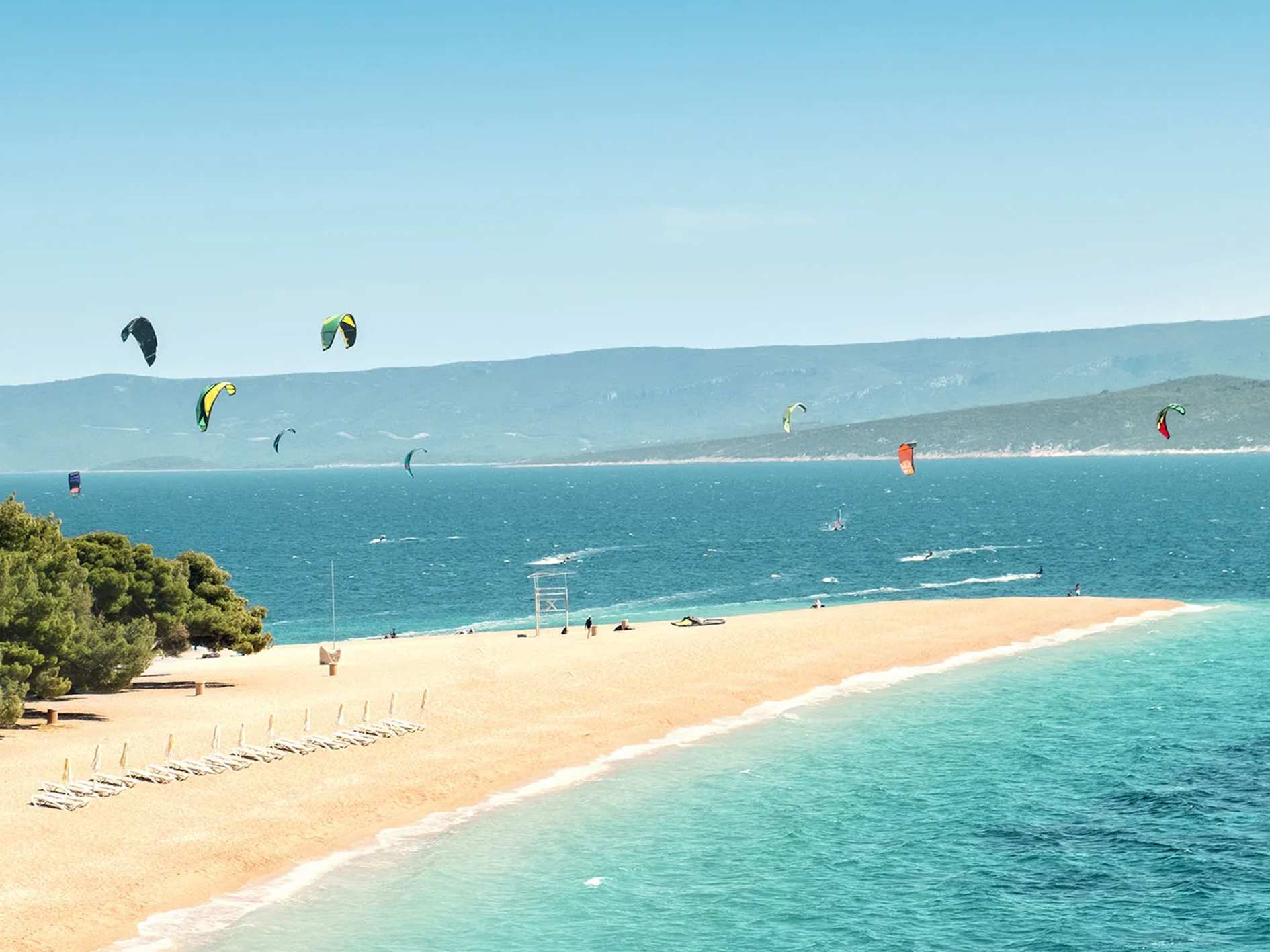
Keep it short and let them explore. If your offsite happens to be somewhere like the Adriatic coast, this pairs nicely with more structured team building activities in Croatia later in the schedule.
Best for: City retreats.
Ask everyone to arrange themselves without speaking.
By birthday. Distance travelled. Years at the company. Number of countries visited.
Then reveal the answer.
Best for: Larger groups.
Take a deliberately strange photo from the retreat and ask small groups to come up with a caption.
No prizes necessary, although people will behave as though there are.
Best for: After lunch or during a break.
Give everyone one minute to tell the person next to them a story about something that happened to them recently.
The listener then has to introduce the storyteller to someone else using the story.
Best for: Breaking up a long workshop day.
Everyone sits or stands in a circle.
"Change places if you've lived in another country." "Change places if you've never been skiing." "Change places if you prefer tea to coffee."
It gets people moving and reveals unexpected overlaps.
Best for: Groups that need energy.

Dinners are where retreats are made. More often than not, it's the food that people talk about after, for better or for worse. It's also where conversations can become very predictable if everyone sits beside the same colleagues and spends two hours talking about work.
The trick is to give people a little nudge, then get out of the way.
And word to the wise, it's also a good idea to get out of the way during some meal times. Let your team become friends over natural conversation.
Put one interesting question at each place setting.
What's something you've changed your mind about in the last year? What's a skill you wish you had? What would you do if money wasn't a factor?
Let the table decide how far to take it.
Best for: Formal dinners.
You can invite three people from history, fiction or real life to dinner.
Who are you inviting? And what are you asking them?
Best for: The first evening or a relaxed dinner.
Ask: "If you could have dinner anywhere in the world tomorrow, where would it be?"
Then ask why. The "why" is where the interesting bit usually starts.
Best for: Mixed groups.
What did you want to be when you were ten?
It's a simple question that often produces surprisingly good stories.
Best for: Dinner with people who don't know each other well.
Everyone gets one. It doesn't have to be serious.
"Brunch is overrated." "Airports are actually quite relaxing." "The best pizza isn't in Italy."
Just don't let it turn into a political debate.
Best for: Informal dinners.
.png)
Ask everyone about their first ever paid job.
It has the useful side effect of making everyone look slightly more human.
Best for: Mixed seniority groups.
Not the most expensive. The most useful.
The answers can range from sentimental objects to an unexpectedly beloved kitchen appliance.
Best for: Smaller dinner tables.
Ask people to share something about their home city or country that tourists rarely know.
It turns an international team into a collection of unofficial tour guides.
Best for: International teams.
No need for a sophisticated answer.
A childhood dinner counts. So does a kebab at 2am.
The disagreement afterwards is usually more interesting than the original answers.
Best for: Food-focused retreats.
This one is slightly more personal, but still low-risk.
The answer can be serious, funny or completely trivial.
Best for: Groups that already have some familiarity.

By the middle of a retreat, you're in the swing of things. People have eaten together. They've worked together. They've probably seen each other looking slightly ridiculous on at least one occasion.
Now is the time to make the most of this camaraderie. Go deeper!
The important thing is consent. Nobody should feel forced into revealing something personal simply because an organiser put it on the agenda.
Share one good thing, one difficult thing and one thing you're looking forward to.
Best for: Mid-retreat reflection.
Ask: "What's something about this team or company that surprised you?"
This can reveal useful observations as well as funny ones.
Best for: Mid-retreat.
Ask everyone to name something another person in the group has done that they appreciated.
Keep it specific.
Best for: Teams with established relationships.
Give people the option to share something about how they work that colleagues might not know.
For example: how they prefer to receive feedback, when they do their best work or what makes collaboration easier for them.
Best for: Working sessions focused on collaboration.
Everyone shares one thing they can teach the rest of the group.
It doesn't have to be useful. Someone might know Excel shortcuts. Someone else might know how to make perfect pasta.
Best for: Relaxed mid-retreat sessions.
Ask: "It's one year from now and the company has had an incredible year. What's the headline?"
Then ask what had to happen to make that headline true.
Best for: Strategy retreats.
If you could give yourself one professional superpower for the next six months, what would it be?
Then ask what problem that superpower would solve.
Best for: Leadership or strategy retreats.
Ask people to share something they're proud of that happened at work recently.
Not necessarily their biggest achievement.
Best for: Team-building and recognition.
Give everyone five minutes to write down a question they don't think the company has answered yet.
Collect them anonymously and discuss a selection.
Best for: Leadership and All-Hands retreats.
A deceptively simple question.
"What's one thing we do as a company that you think we should stop?"
It can lead somewhere genuinely useful if the room is psychologically safe enough.
Best for: Senior or leadership groups.
The final day! You've all been on a journey together. It's time to bring it all together. You're no longer trying to get strangers talking. You're helping people process what happened, remember the useful bits and leave with a sense that the retreat actually went somewhere.
Describe the retreat in three words.
Simple, quick and surprisingly revealing.
Best for: Closing circles.
Ask everyone to name one moment from the retreat they're likely to remember.
It doesn't have to be a workshop breakthrough. Often it's dinner, a ridiculous taxi journey or something that happened at the bar.
Best for: Final evening.
Ask: "What's one thing you're taking away from these few days?"
It can be personal, professional or simply a good memory.
Best for: Final session.
Move from reflection into action.
What should the team actually do differently when everyone gets home?
Best for: Strategy retreats.
What did you learn that you didn't expect to learn?
This can surface insights that weren't part of the original agenda.
Best for: Closing session.
Ask everyone to name someone they got to know better during the retreat.
It reinforces the social outcome without forcing a sentimental group hug.
Best for: Team retreats.
Return to the predictions people made on the first night. Who was right? Who was spectacularly wrong?
Best for: Final dinner or closing drinks.
Everyone thanks one person for something specific that happened during the retreat.
Keep it short.
Best for: Closing circle.
Ask everyone to imagine they're writing a postcard to themselves six months from now.
"What do you hope has changed?"
Then collect the answers and send them back later.
Best for: Strategy and leadership retreats.
Instead of ending with an answer, ask everyone to write down one question they want to keep thinking about after the retreat.
It gives the event somewhere to go after everyone gets on their flights home.
Best for: Final session.
A good offsite icebreaker shouldn't feel like an icebreaker (which we all agree are lame). It should make the first dinner slightly easier. Make the walk between sessions more interesting. Get someone talking to the colleague they wouldn't normally sit beside. Give a tired room ten minutes of energy. Or turn a closing conversation into something people actually remember.
And the right choice depends entirely on the moment.
Don't run a deep reflection exercise when everyone has just arrived from three different airports. Don't force a competitive game onto a room that's exhausted after six hours of strategy. And don't mistake filling ten minutes in the agenda for creating connection, that's really what the full team bonding activities list is for, once you're ready to plan more substantial group moments.
The retreat itself should do most of the work. The icebreaker just opens the door.
Picking the right icebreaker is one small piece of a much bigger puzzle. If you're planning the retreat around these moments, OnsiteHub's Retreat Planning Prompt Library gives you prompts for generating activities, conversation starters and agenda ideas based on your team, destination and objectives, so you're not starting from a blank page.
And if you're already at the stage of booking venues, sourcing activities or building out a full itinerary, that's exactly what we do. Get in touch with the OnsiteHub team and we'll help you turn these small moments into a retreat your team actually remembers.
.jpg)

You brief us once. We handle venues, travel, activities and everything in between.