Update Date:
September 8, 2026
Summary
So here’s the bad news…
The venue you’re picturing for your summer retreat in 2027 is already being booked.
Not in the autumn, or the winter. Now. We’re not trying to scare you. And sure, we might even sound ridiculous. It's September 2026. Summer 2027 feels like it's approximately 400 years away.
But the best retreat venues really do get snapped up way far in advance. They get booked by the teams who started looking while everyone else was still saying, "We should probably start planning this at some point."
And once those venues are gone, your options start getting narrower:
This is why how far in advance to plan a team retreat is a slightly different question from "When should we start organising?"
Because planning and booking aren't the same thing. You can spend months getting internal approval. The venue doesn't care.
There's no golden rule for how far in advance you need to plan a retreat. It depends on…
But as a rough guide:
For summer 2027, that means the booking window is opening right now.
The relief however, is you don't necessarily need a finished itinerary, or for every stakeholder to agree on every activity. And you certainly don't need to know what everyone is having for dinner on Thursday night.
But you do need to start narrowing down the things that disappear first.
One of the biggest mistakes in retreat planning is assuming that everything becomes difficult at the same time. It doesn't. Some things have a much shorter shelf life than others.
This is the big one.
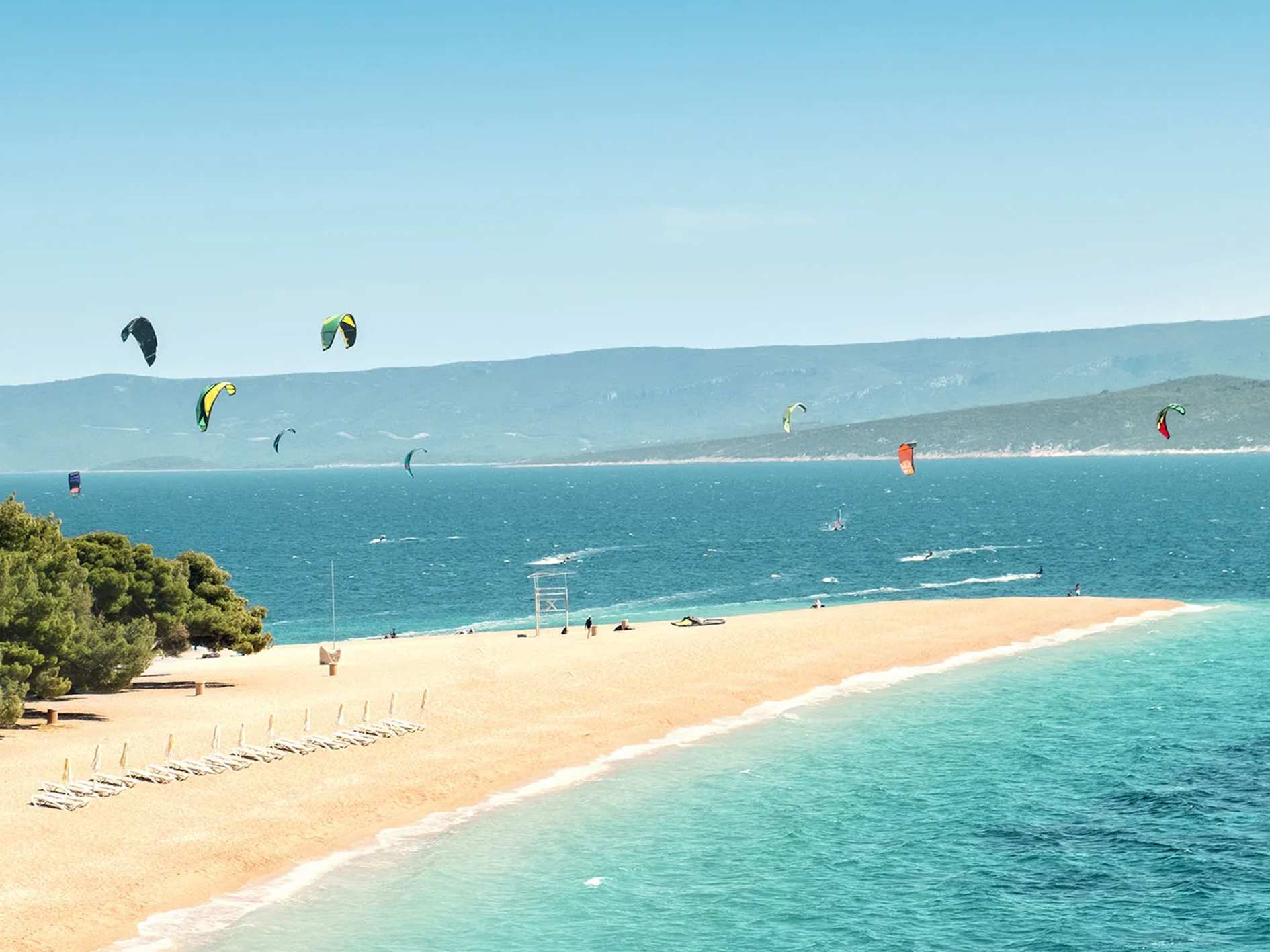
If you're looking for a hotel with 60–100 bedrooms, a private meeting space, good food, outdoor space and somewhere genuinely nice to spend three days together, you're already working with a fairly small pool.
Add:
These fly off the shelf, and the pool gets very small indeed.
The internet makes it look like there are thousands of venues. Which is true. There just aren't thousands that are actually right for your retreat.
And the good ones don't sit around waiting for your finance team to finish their budget meeting.
These also disappear particularly quickly…
A private villa, country estate, boutique hotel or resort that can effectively become your venue for three days is a very different proposition from booking 40 rooms in a large hotel.
It's also a very different proposition in terms of availability. There are only so many properties that can accommodate a whole team comfortably. If that's what you want, start earlier.
Much earlier.
You might think:
"We're flexible. Any week in June works."
Excellent. Until you discover that the venue has:
Suddenly your flexibility isn't helping very much. The more flexibility you genuinely have, however, the more leverage you have.
Instead of:
"We need 12–15 June."
Try:
"We're looking at any three-night window between 7–25 June."
That's a much easier brief for a venue to work with.

We’ve done over 300 offsites. And this is the point where the process usually starts to slow down.
Because most companies don't actually have a planning problem. They have an approval problem.
The person organising the retreat knows it needs to happen. They might even know roughly where they want to go. But before they can book anything, they need:
Meanwhile, the venue has another company saying:
"Yes, we'll take it."
It’s a tragic story we see unfold every year.
Your company might take three months to approve a €75,000 retreat. The venue might take three days to sell the dates.
And this is why waiting for the budget to be completely signed off can be a mistake. You don't necessarily need to commit to the whole retreat immediately.
But you can start doing the work that protects your options.
If you're planning a summer 2027 retreat, keep it simple. You don't need to plan the whole thing. You only need to make the big decisions that stop the good options disappearing.
Don't wait for the final RSVP list. This is a bit of a cheat code.
You need a realistic planning number. Is this a 40-person retreat? 80? 150?
That changes everything. A venue that looks perfect for 60 might become completely useless if the team grows to 85. Get a sensible range.
"We're expecting 70–80 people" is already useful.
In a competitive process, giving yourself options ups your odds. Instead of trying to decide the exact three nights immediately, identify two or three windows that could work.
That gives you something much more valuable when you approach venues: leverage. If you're flexible, you have options.
If you're asking for one specific Thursday-to-Sunday in July, you have considerably fewer.
.png)
Your wishlist is important. And rightly so. This is your retreat. And you’ve probably got a long list of lovely things every venue should have:
That’s a fine list of things you want. Now decide what you actually need. Because we hate to break it to you, but the venue that has everything on your wishlist doesn’t exist. Not in this world, anyway.
Knowing beforehand which compromises are acceptable makes that decision considerably easier.
As in retreat planning, as in life, people tend to leave the harder tasks to the end. The business case is that task. A line we often hear is…
"We'll sort the budget once we've found somewhere."
And yet, you often need the budget to get approval to look properly in the first place.
Here’s a trick. Start rough. You don't need a €72,438.16 final budget. Realistically, all you need enough information to answer:
"Are we realistically looking at €30k, €60k or €100k?"
A rough budget gives you a realistic search range and gives leadership something concrete to react to.
If you're building those numbers yourself, our Retreat Budget Tracker gives you a line-by-line starting point for working out what the retreat might actually cost.
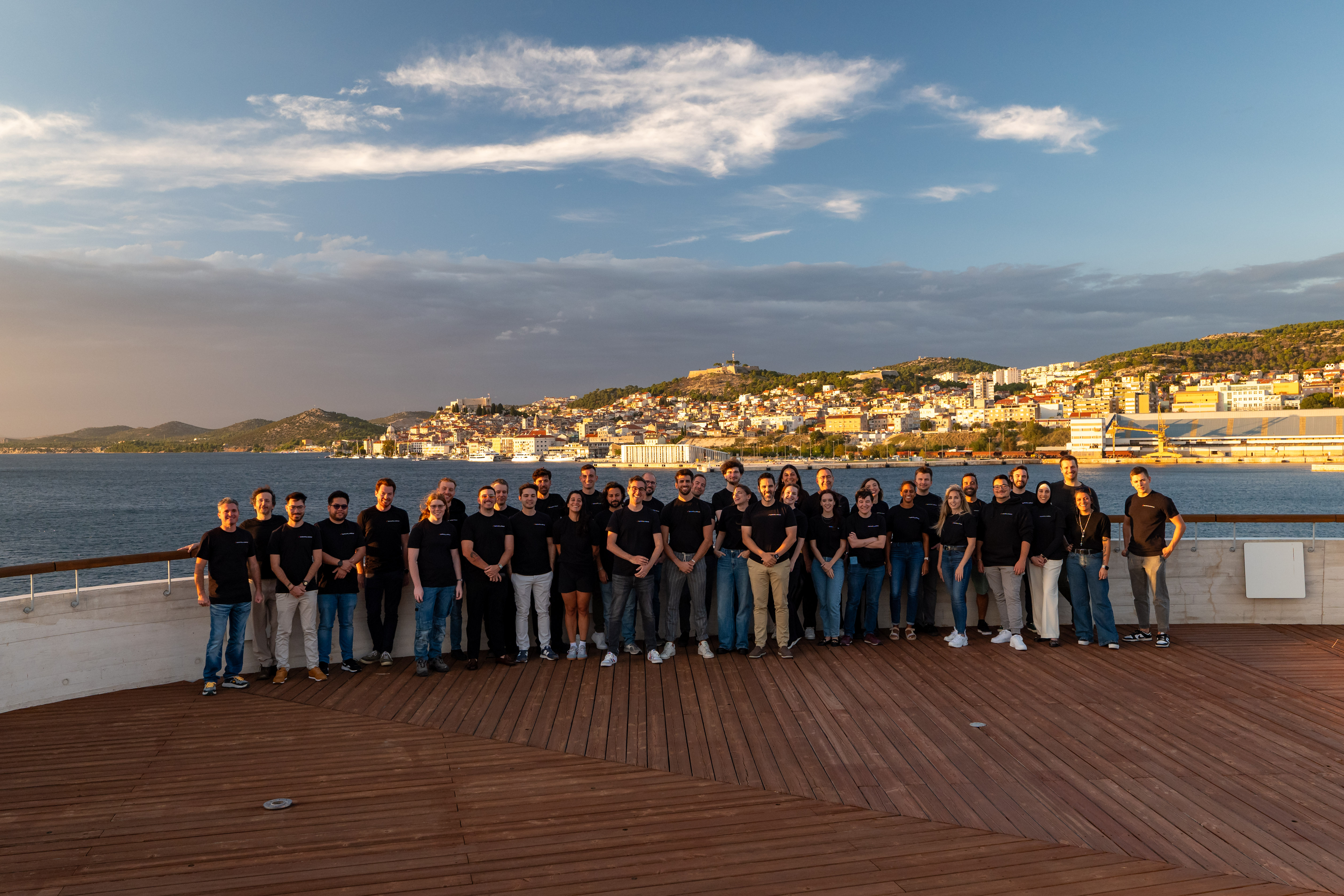
Looking is not booking.
This is an important distinction. And believe it or not, booking isn't always the same as committing to the entire retreat.
You can often approach venues with a preliminary brief, understand availability and pricing, and in some cases place a temporary hold while the internal conversation catches up.
This can buy you some incredibly valuable time. Instead of saying:
"We need to get approval before we can look."
You can say:
"We know what we want, we know roughly what it will cost, and we've identified an option that works. Now let's get it approved."
That's a much easier conversation for those who are carrying the responsibility, right?
The world keeps spinning. Nothing catastrophic happens. You don't get a letter from the Retreat Planning Police.
You just get worse options. You might have to:
So this is the frustrating part. The retreat will still happen. There’s a very good chance it will still be a success.
But this is all so avoidable.
you could end up spending more money for a worse experience simply because you waited three months too long.
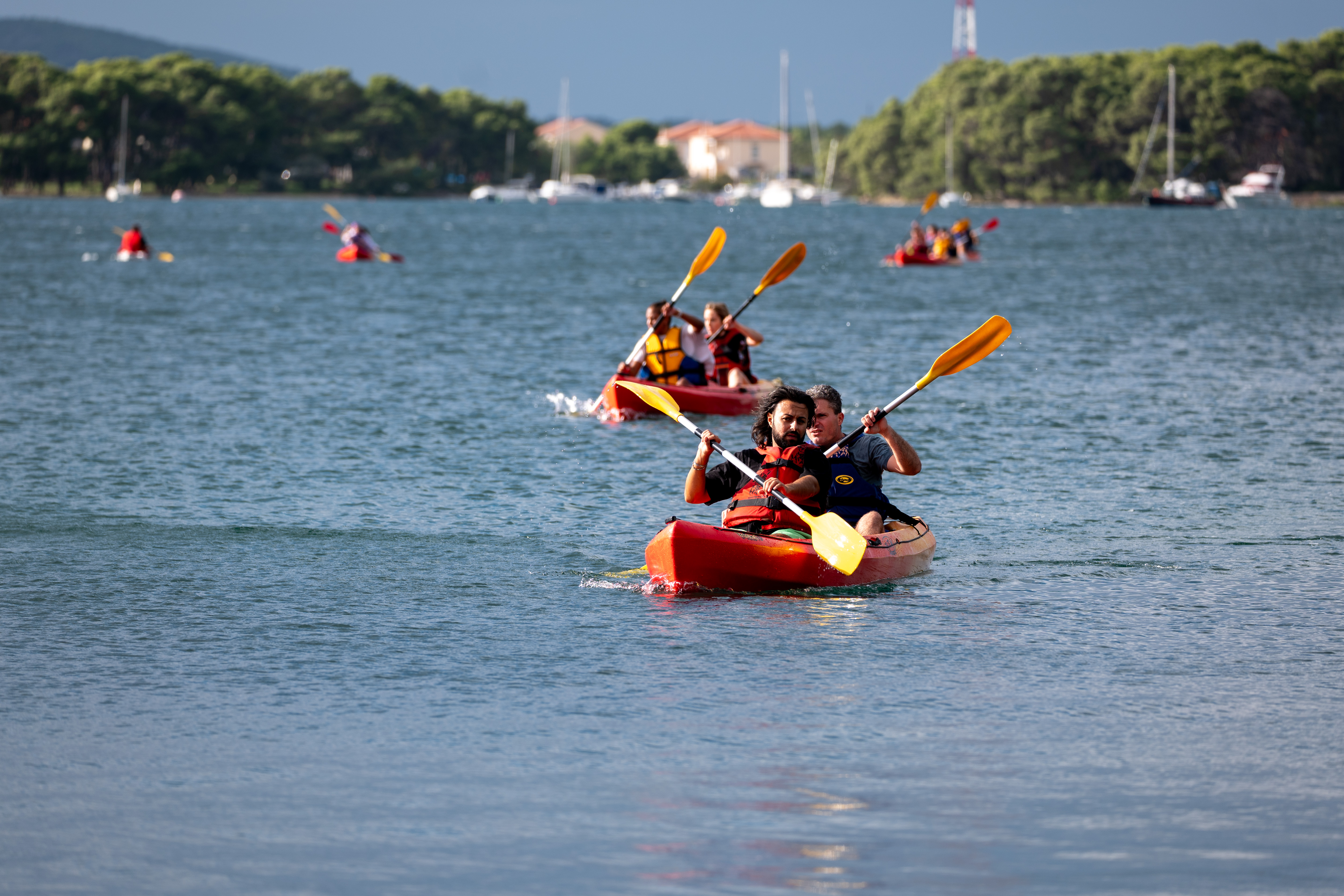
Short answer: For a summer retreat, start looking 9–12 months ahead.
That doesn't mean spending 12 months planning icebreakers. It means giving yourself enough time to secure the things that matter most.
So, for a summer 2027 retreat: September and October 2026 are a very good time to start.
Move with stealth. You don’t need to be 100% precise…
And, crucially, start the internal business case before you fall in love with somewhere.
Because there is nothing worse than finding the perfect venue, telling everyone how brilliant it is, and then discovering that by the time Finance approves it, someone else has booked it.
This is exactly where the internal business case becomes useful. You don't need to convince your CFO that retreats are fun. You need to explain:
We've built an Outsourcing Team Retreat Planning: Business Case Template to make that conversation easier.
It's designed to give you the bones of the argument before the good venues disappear. That's really the whole point of starting early.
Not to have your entire retreat planned nine months in advance.
It's to make sure that when you finally get the green light, the options you actually wanted are still available.
.jpg)
If you're planning a summer 2027 retreat, the useful thing to do this month is not to finish the plan. It's to find out what's actually available.
That's the part we can do for you. Tell us your rough headcount, your date range and the ballpark budget, and we'll come back with real venues that fit, with real availability, before the good ones go.
100+ retreats planned. No deposit to start looking.
Talk to us about a corporate retreat in summer 2027

You brief us once. We handle venues, travel, activities and everything in between.